Bilbao: The Dynamic Heart of the Basque Country
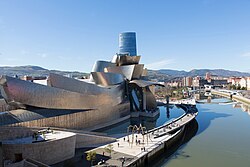
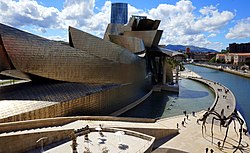
Nestled in the province of Biscay within Spain's Basque Country, Bilbao is a city of striking contrasts. Known affectionately by the nickname "El Botxo" (The Hole), it has evolved from a gritty industrial powerhouse into a global beacon of culture, architecture, and urban renewal. From its medieval roots to the titanium curves of the Guggenheim, Bilbao blends deep-seated tradition with a forward-looking spirit.
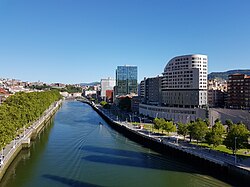
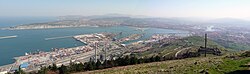
The city is defined by its relationship with the water, centered around the estuary that connects the urban core to the Atlantic. This geography has shaped Bilbao's identity for centuries, driving its growth as a commercial hub and a maritime gateway.
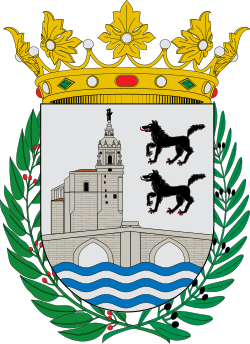
Key Facts
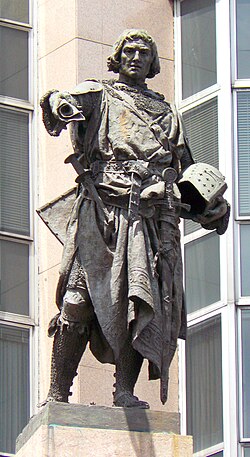
- Founded: June 15, 1300, by Diego López V de Haro.
- Population: Approximately 347,342 in the municipality, with a metro population exceeding 1 million.
- Official Languages: Basque and Spanish.
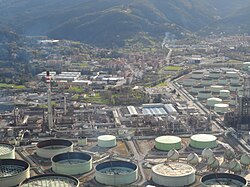
- Economic Hub: A major center for banking, shipping, and ironworks.
- Global Landmark: Home to the world-renowned Guggenheim Museum Bilbao.
A Journey Through History
Medieval Foundations and Early Growth
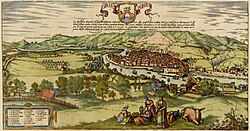
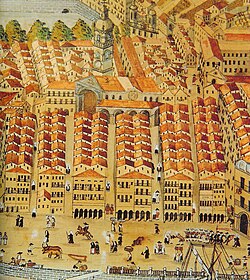
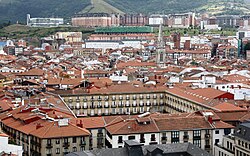
Bilbao was officially founded over 700 years ago in 1300. Its early development was spurred by its strategic location, allowing it to become a vital trade center. The city's early layout is still visible in the Casco Viejo (Old Town), where narrow streets and historic plazas reflect its medieval origins.
Conflict and Industrialization
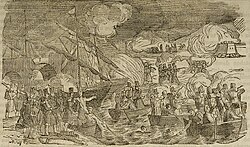
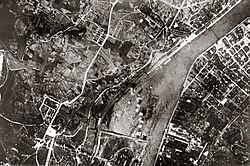
The city's path was not without struggle. Bilbao weathered the Napoleonic invasions and the Carlist wars, and later suffered significant damage during the Spanish Civil War, most notably during the bombing on June 5, 1937.
The Modern Transformation
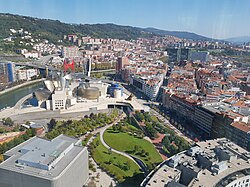
In the late 20th century, Bilbao underwent one of the most successful urban renewals in history. Transitioning away from a heavy reliance on steel and shipbuilding, the city invested in infrastructure and culture. This "Bilbao Effect" was epitomized by the opening of the Guggenheim Museum, which catalyzed a shift toward tourism and services.
Geography and Climate
Bilbao is situated at an average elevation of 19 meters, though the surrounding terrain rises to 689 meters. The city experiences a temperate climate characterized by significant rainfall, averaging 1,158 mm annually, which keeps the region lush and green.
| Metric | Coldest Month (Jan) | Warmest Month (Aug) | Annual Average/Total |
|---|---|---|---|
| Mean Daily Max Temp | 13.5°C | 26.3°C | 19.6°C |
| Mean Daily Min Temp | 5.3°C | 16.1°C | 10.2°C |
| Average Precipitation | 130 mm | 53 mm | 1,158 mm |
Cityscape and Architecture
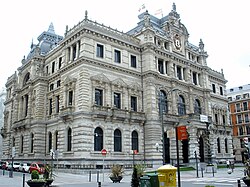
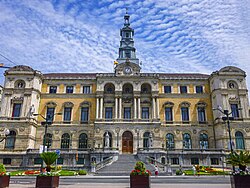
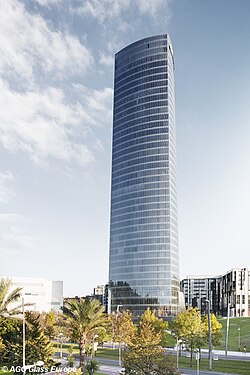
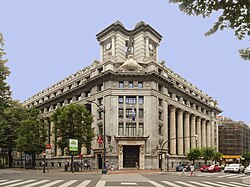
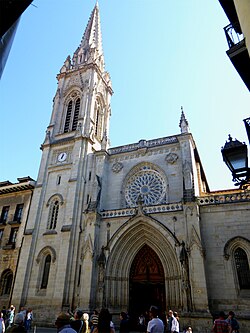
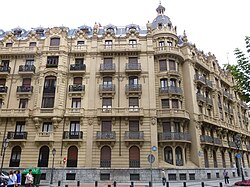
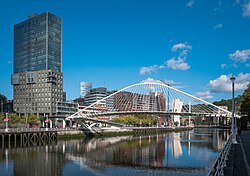
The architecture of Bilbao is a dialogue between the old and the new. The Casco Viejo offers a glimpse into the past with the Gothic St. James Cathedral, while the Abandoibarra district showcases futuristic designs.
Green Spaces and Culture
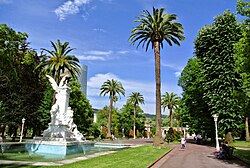
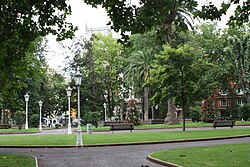
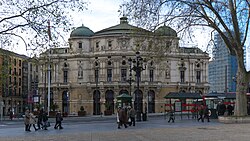
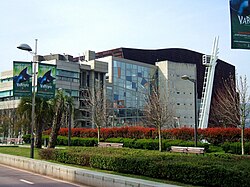
Beyond the concrete, the city provides serene escapes such as the Doña Casilda Iturrizar Park. Culturally, the Arriaga Theatre and the Euskalduna Concert Hall serve as primary venues for the performing arts.
Economy, Society, and Lifestyle
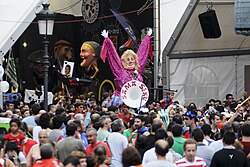
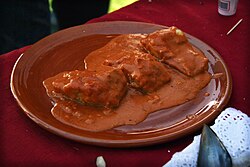
Bilbao remains a financial powerhouse, hosting the headquarters of major entities like BBVA and Iberdrola. Its economy is a diverse mix of banking, a bustling outer port, and a growing tourism sector. The city is also a culinary destination, famous for dishes like Biscayan-style cod.
Language and Demographics
The city is linguistically diverse. While Spanish is widely spoken, there is a strong presence of the Basque language (Euskara). Data shows a steady increase in bilingualism over the decades, reflecting a cultural revival of the Basque identity.
Transport and Infrastructure
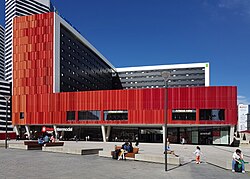
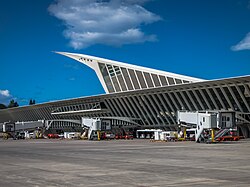
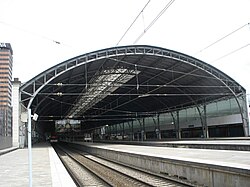
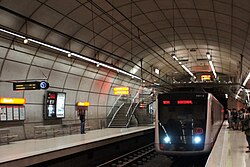
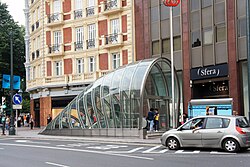
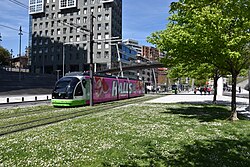
Bilbao boasts a highly efficient transport network. The Metro, featuring the iconic "fosteritos" (glass entrances designed by Norman Foster), is a centerpiece of urban mobility, complemented by a modern tram system and the Bilbao-Abando railway station.
Education, Health, and Sport
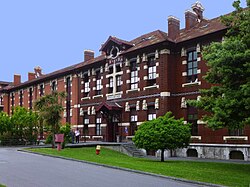
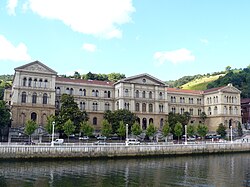
The city is well-equipped with high-level services, including the University Hospital of Basurto and the University of Deusto. Sport is a cornerstone of local pride, particularly football and basketball.
Frequently Asked Questions
Who founded the city of Bilbao?
Bilbao was founded on June 15, 1300, by Diego López V de Haro.
What is the "Bilbao Effect"?
The "Bilbao Effect" refers to the city's successful urban and economic transformation, sparked largely by the construction of the Guggenheim Museum, which shifted the city from an industrial center to a cultural and tourist destination.
What are the official languages spoken in Bilbao?
The official languages are Basque (Euskara) and Spanish.
Which sports teams are most prominent in the city?
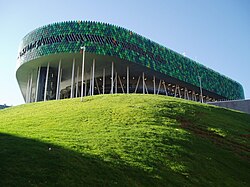
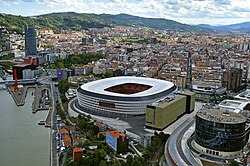
The most prominent teams are Athletic Bilbao (football), which plays at the San Mamés stadium, and Bilbao Basket (basketball), which plays at the Bilbao Arena.
What is the climate like in Bilbao?
Bilbao has a temperate climate with significant rainfall throughout the year, averaging about 1,158 mm, and mild temperatures ranging from a mean daily minimum of 5.3°C in January to a mean daily maximum of 26.3°C in August.