Beijing historyForbidden CityBeijing tourismChina capitalBeijing economy

Beijing: A Journey Through China's Imperial Past and High-Tech Future

Exploring Beijing: The Historic and Modern Heart of China Beijing, often referred to by its historical name Peking, is a sprawling metropolis that serves as the capital and a direct-admin...

Exploring Beijing: The Historic and Modern Heart of China

Beijing, often referred to by its historical name Peking, is a sprawling metropolis that serves as the capital and a direct-administered municipality of China. As a "Northern Capital" with roots stretching back to 1045 BC, the city is a profound tapestry of ancient imperial history and cutting-edge modern development. From the silent majesty of the Forbidden City to the high-tech corridors of Zhongguancun, Beijing offers a unique glimpse into the evolution of Chinese civilization.

Today, Beijing is a global powerhouse, functioning as a major political, cultural, and economic center. It is a city of immense scale, encompassing 16,410.54 square kilometers and housing a population of over 21 million people. Whether you are exploring its UNESCO World Heritage sites or its bustling central business district, Beijing presents a landscape where the past and the future exist in constant dialogue.
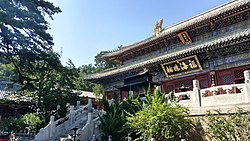
The Mahāvīra Hall of Tanzhe Temple, founded in 307 CE during the Western Jin dynasty
: The Mahāvīra Hall of Tanzhe Temple, founded in 307 CE during the Western Jin dynasty

Key Facts

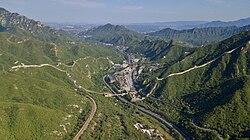
Juyong Pass, viewed from the north. The Beijing–Zhangjiakou Railway (1909) and G6 Expressway pass through this historic mountain gateway across the Great Wall north of Beijing.
  • Status: Capital and municipality of China.
  • Population: Approximately 21,893,095 (2020 census).
  • Economic Power: Estimated GDP of US$ 747 billion (2025).
  • Historical Depth: Traces back to 1045 BC.
  • Global Connectivity: Home to Beijing Capital International Airport and Beijing Daxing International Airport.
  • Human Development: Very high HDI of 0.912 (2023).

A Journey Through History
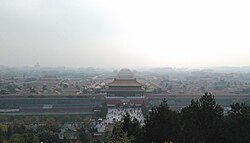
A view of the Forbidden City from the Jingshan Park during heavy smog in November 2016

Beijing's identity is deeply rooted in its imperial past. During the Ming and Qing dynasties, the city was the seat of imperial power, characterized by grand architectural achievements. The Forbidden City remains the most iconic symbol of this era, while the Temple of Heaven stands as a testament to the spiritual rituals of the emperors.
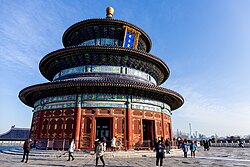
Temple of Heaven is one of the eight UNESCO World Heritage Sites in Beijing.
: Temple of Heaven is one of the eight UNESCO World Heritage Sites in Beijing.

The city's defensive and religious structures are equally significant. The Tianning Pagoda, a survivor from the Liao dynasty (built around 1120), and the various temples scattered throughout the districts—such as the Yonghe Temple for Tibetan Buddhism—showcase the diverse religious influences that have shaped the capital over centuries.
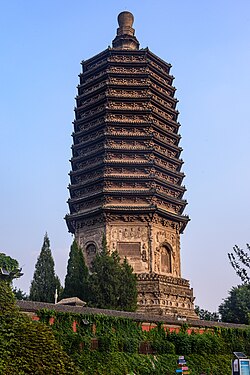
The Tianning Pagoda, built around 1120 during the Liao dynasty, one of the oldest surviving structures in Beijing
: The Tianning Pagoda, built around 1120 during the Liao dynasty, one of the oldest surviving structures in Beijing

Imperial Architecture and Landmarks

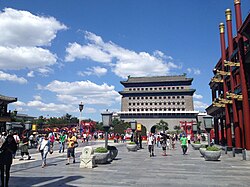
The layout of old Beijing was defined by its gates and axes. Historical records and artifacts, such as Ming dynasty silk scrolls, depict the intricate design of the city's gates, including the Chengtian Gate (now known as Tiananmen). Traditional commercial life flourished along streets like Qianmen Avenue, which sits outside the historic Qianmen Gate.
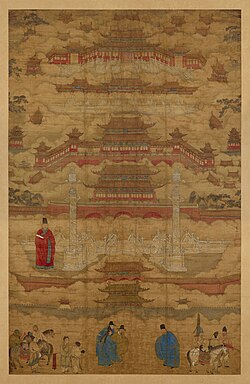
A Ming dynasty silk hanging scroll depicting the Forbidden City with its architect Kuai Xiang standing before Chengtian Gate (present-day Tiananmen); British Museum, London
: A Ming dynasty silk hanging scroll depicting the Forbidden City with its architect Kuai Xiang standing before Chengtian Gate (present-day Tiananmen); British Museum, London
Qianmen Avenue is a traditional commercial street outside Qianmen Gate along the southern Central Axis.
: Qianmen Avenue is a traditional commercial street outside Qianmen Gate along the southern Central Axis.

The Modern Metropolis

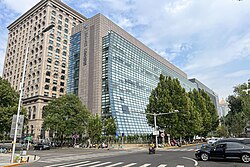
Beijing Municipal Civil Affairs Bureau

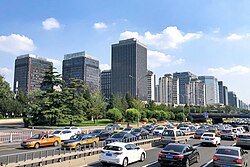
Transitioning from the imperial era to the present, Beijing has transformed into a global hub of finance and technology. The Central Business District (CBD) is a forest of skyscrapers, including the distinctive China Zun, representing the city's economic vitality. Meanwhile, the Zhongguancun area in the Haidian District serves as a premier technology hub, driving innovation across the nation.
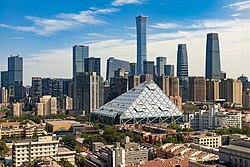
The skyline of Beijing CBD
: The skyline of Beijing CBD
Zhongguancun is a technology hub in Haidian District.
: Zhongguancun is a technology hub in Haidian District.

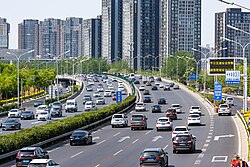
The city's infrastructure is designed to support its massive population. A complex network of subways, articulated buses, and expressways connects the various districts, from the residential areas of Chaoyang to the industrial and logistical hubs in Tongzhou and Daxing.
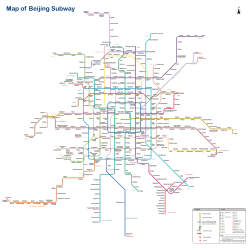
Map of Beijing Subway
: Map of Beijing Subway
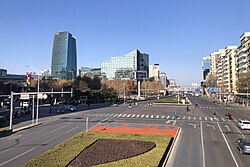
View of 4th Ring Road in Chaoyang District
: View of 4th Ring Road in Chaoyang District

Global Connectivity and Transport

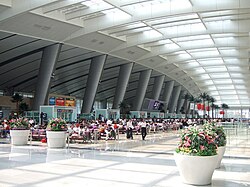
Beijing is a vital node in international travel. The city is served by two major international airports: Beijing Capital International Airport and the massive Beijing Daxing International Airport. For domestic travel, the high-speed railway network and major stations like Beijing South provide seamless access to the rest of China.
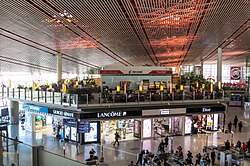
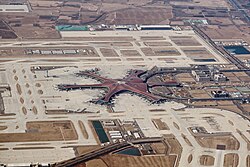
Terminal 3 of the Beijing Capital International Airport
: Terminal 3 of the Beijing Capital International Airport
Beijing Daxing International Airport
: Beijing Daxing International Airport
Beijing South railway station, one of several in the city
: Beijing South railway station, one of several in the city

Culture, Education, and Lifestyle

Beijing Financial Street from Fuchengmen

Beijing is a center for academic excellence, hosting several of China's most prestigious national key universities, including Peking University and various specialized institutes for technology, foreign studies, and medicine. This intellectual density contributes to the city's vibrant, cosmopolitan atmosphere.
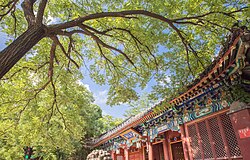
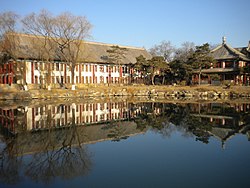
The West Gate of Peking University
: The West Gate of Peking University
Campus of the Peking University
: Campus of the Peking University

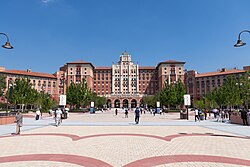
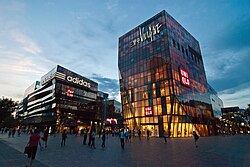
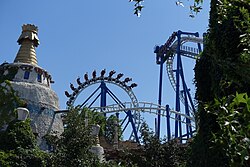
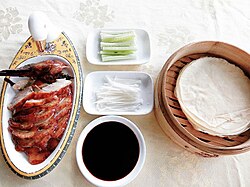
Cultural life in Beijing is as diverse as its history. Visitors can experience the traditional art of Peking Opera or indulge in world-famous culinary delights like Peking Duck. For modern entertainment, the city offers massive theme parks such as Universal Studios Beijing and Happy Valley, alongside trendy shopping destinations like Taikoo Li Sanlitun.
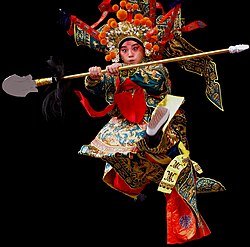
Peking opera
Peking opera
: Peking opera
Sliced Peking duck served with traditional condiments
: Sliced Peking duck served with traditional condiments
Universal Studios Beijing
: Universal Studios Beijing
The Taikoo Li Sanlitun shopping arcade is a destination for locals and visitors.
: The Taikoo Li Sanlitun shopping arcade is a destination for locals and visitors.

Summary of Beijing Municipality

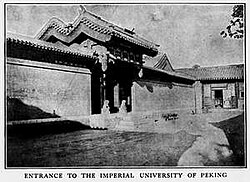
Entrance to the Imperial University of Peking, c. 1898-1900
Quick Reference Guide to Beijing
Category Details
Total Area 16,410.54 km²
Population (2020) 21,893,095
GDP (2025 Est.) CN¥ 5,207 billion (US$ 747 billion)
Time Zone UTC+08:00 (CST)
Administrative Divisions 16 districts
HDI (2023) 0.912 (Very High)

Frequently Asked Questions
Happy Valley Beijing
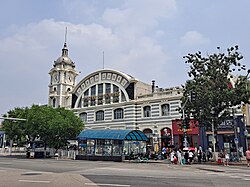
Beijing Railway Museum
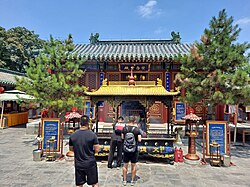
Fire God Temple near Di'anmen
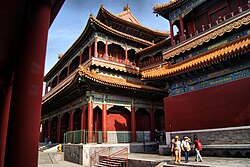
Yonghe Temple of Tibetan Buddhism
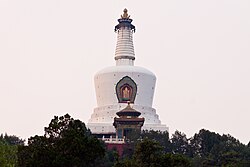
The White Pagoda of Miaoying Temple
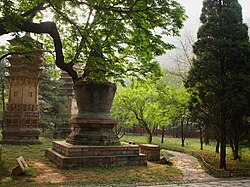
The tomb pagodas at Tanzhe Temple
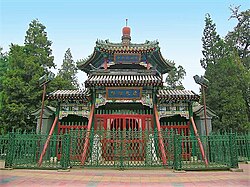
Niujie Mosque
Niujie Mosque
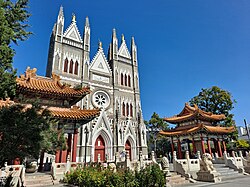
Church of the Saviour, also known as the Xishiku Church, built in 1703
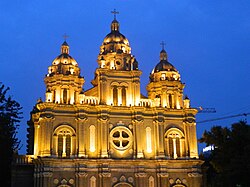
St. Joseph's Church
St. Joseph's Church
Haidian Christian Church
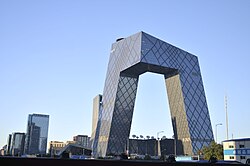
The China Central Television Headquarters building in the Beijing CBD
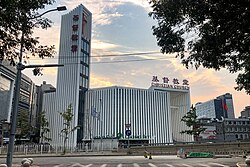
Beijing Daily headquarters
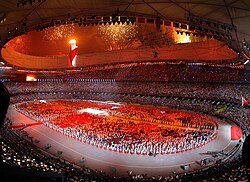
A scene from the opening ceremonies of the 2008 Summer Olympic Games
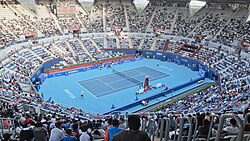
China Open in 2009
China Open in 2009
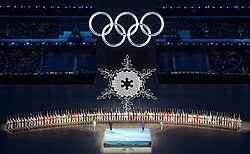
The opening ceremony of the 2022 Beijing Winter Olympics
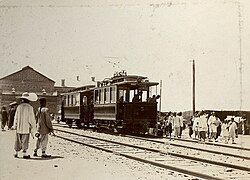
Tramway at Machiapu Station, 1900
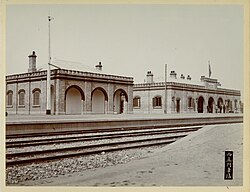
Xizhi Gate station of the Jingzhang Railway, c. 1909
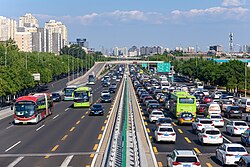
Beijing–Tongzhou Expressway
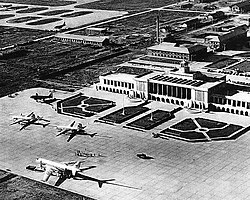
Beijing Capital International Airport in 1959
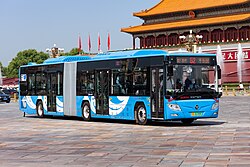
An articulated Beijing bus
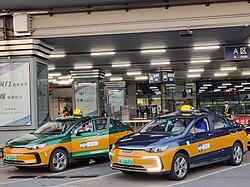
Beijing EU5 Taxi in Beijing
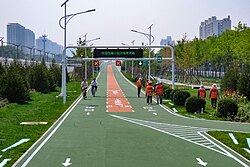
Huilongguan–Shangdi bicycle lane
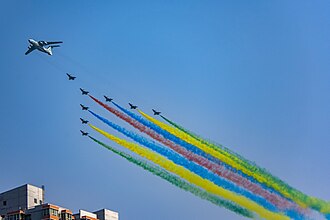
KJ-2000 and J-10s started the flypast formation for the 70th anniversary of the People's Republic of China.
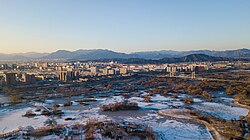
Wetland park in Changping District in winter
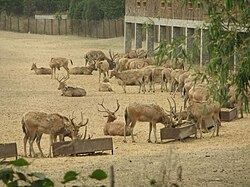
Père David's deer (Elaphurus davidianus) at Beijing Milu Park, Nanyuan.

What is the best time to visit Beijing regarding weather?

Beijing experiences a wide range of temperatures. Summers can be hot, with mean daily maximums often exceeding 30°C, while winters can be quite cold, with mean daily minimums dropping below freezing. Based on historical data, the transition seasons offer varying precipitation levels, with summer typically seeing more frequent rainy days.

How is Beijing's population distributed?

As of the 2020 census, the total population is approximately 21.89 million. A significant portion of this, roughly 19.16 million, resides within the urban areas, making it one of the most densely populated administrative divisions in the world.

What are the major international gateways to the city?

Beijing is primarily served by two major airports: Beijing Capital International Airport and Beijing Daxing International Airport. Additionally, the city is a major railway hub with several key stations, including Beijing South railway station.

Is Beijing a center for education?

Yes, Beijing is home to many of China's national key universities. Notable institutions include Peking University and various specialized universities focusing on forestry, technology, foreign studies, and medicine.

What are some of the major religious sites in Beijing?

Beijing features a diverse array of religious institutions, including Buddhist academies, the Yonghe Temple (Tibetan Buddhism), the Niujie Mosque, and several Christian churches such as the Church of the Saviour and St. Joseph's Church.