Beijing 2008 Summer Olympics: A Legacy of Scale and Ambition
The 2008 Summer Olympics, officially known as the Games of the XXIX Olympiad, marked a historic moment as China hosted the world's premier sporting event for the first time in Beijing. Guided by the motto "One World, One Dream", the Games were designed to showcase China's emergence as a global superpower through unprecedented architectural ambition and logistical precision.
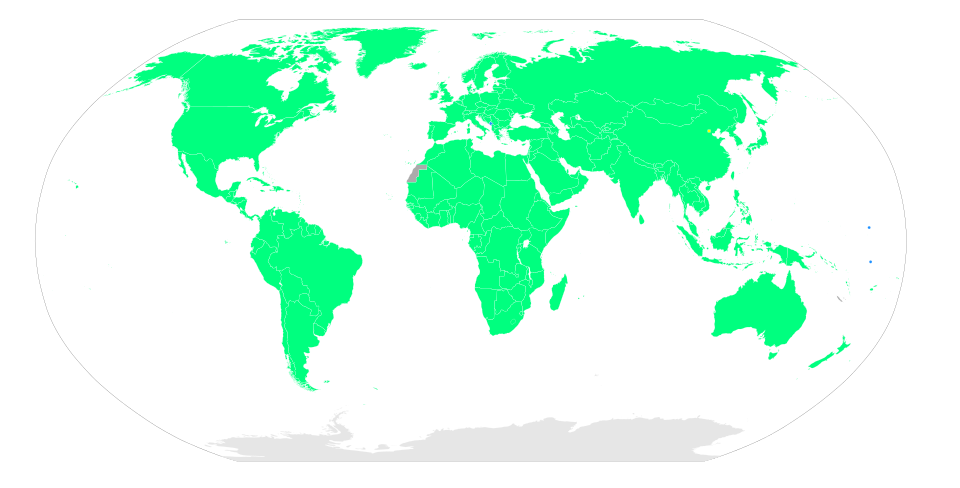
From the breathtaking opening ceremony to the high-stakes competitions across 28 sports, the Beijing Games left an indelible mark on the sporting world. With over 10,000 athletes from 204 nations converging on the Chinese capital, the event was a massive undertaking in urban planning and international diplomacy.
Key Facts
- Host City: Beijing, China
- Dates: August 8 to August 24, 2008
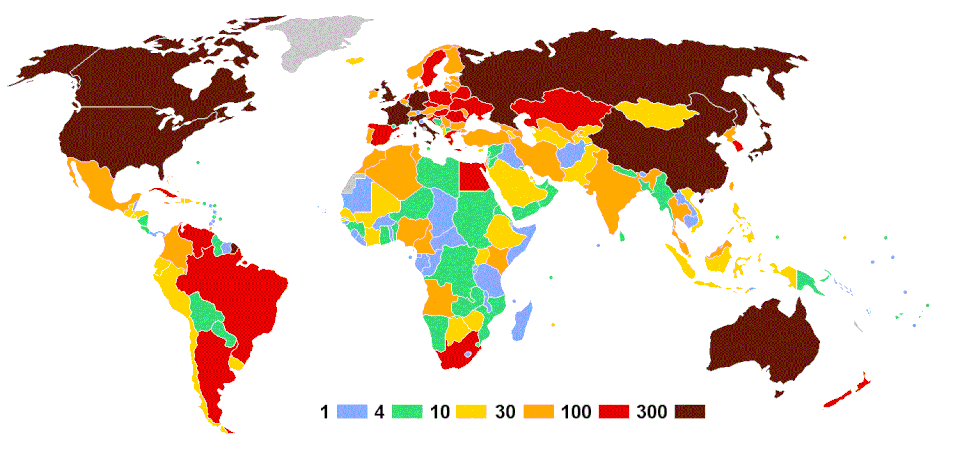
- Participants: 10,899 athletes (6,290 men, 4,609 women) from 204 nations
- Scale: 302 events across 28 sports and 42 disciplines
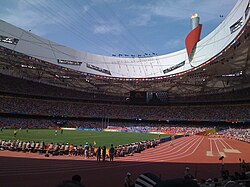
- Iconic Venue: The Beijing National Stadium, famously known as the "Bird's Nest"
- Opening Act: Opened by President Hu Jintao; closed by IOC president Jacques Rogge
Architectural Marvels and Venues
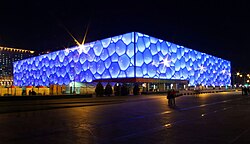
Beijing invested heavily in infrastructure to support the Games, creating a cluster of venues that became instant architectural icons. The centerpieces of this effort were the Beijing National Stadium (the Bird's Nest) and the National Aquatics Center (the Water Cube), both of which pushed the boundaries of modern design.
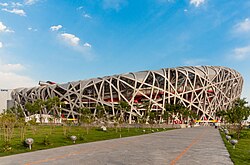
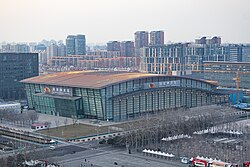
The Bird's Nest served as the primary venue for athletics and the opening and closing ceremonies, while the Water Cube provided a futuristic setting for swimming and diving events. Other significant sites included the National Indoor Stadium and the Wukesong Indoor Stadium, ensuring that every discipline had a world-class facility.
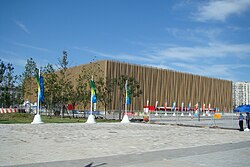
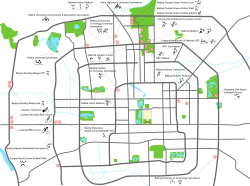
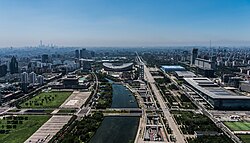
Beyond the stadiums, the city developed the "Olympic Green," a massive park area that integrated the venues into a cohesive urban landscape, supported by a network of expressways and public transit routes to facilitate the movement of millions of spectators.
The Spectacle: Ceremonies and Symbols
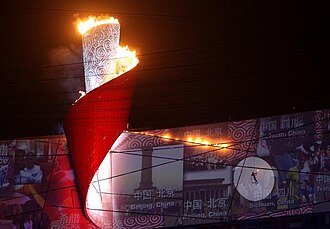
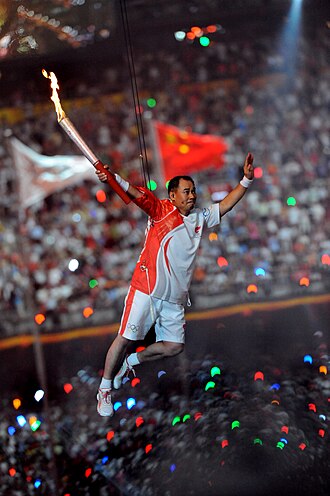
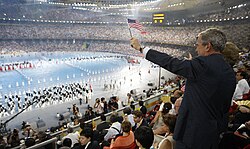
The Opening Ceremony on August 8, 2008, is remembered as one of the most lavish in Olympic history. A highlight of the evening was the lighting of the Olympic cauldron by gymnast Li Ning, who performed a breathtaking sequence to ignite the flame.
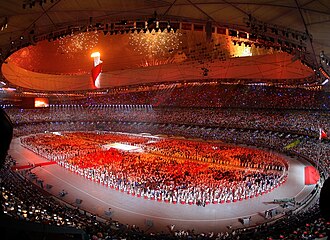
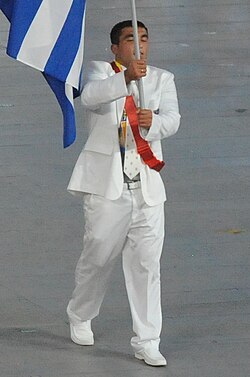
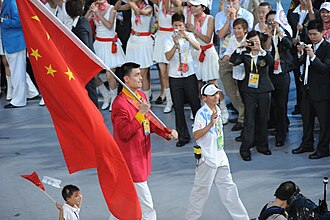
The parade of athletes followed strict tradition, with Greece entering first, led by Ilias Iliadis, and the host nation, China, entering last with a vast delegation of participants.
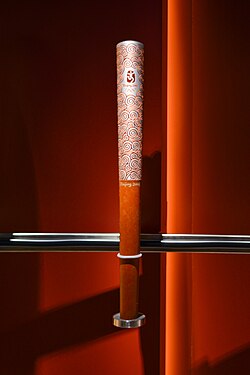
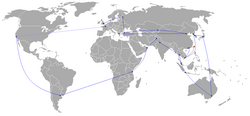
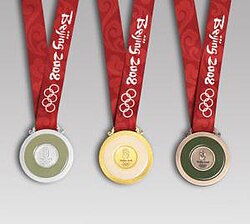
The symbols of the Games were equally meticulously crafted. The 2008 Olympic Torch traveled a global relay route before arriving in Beijing, and the medals awarded to winners featured a unique ring of jade, blending modern sport with traditional Chinese artistry.
Competition and Athletic Achievement
The 2008 Games featured 302 gold medal events. The competition was fierce, with the host nation, China, dominating the medal table. However, the Games also saw historic "podium sweeps"—where one nation took gold, silver, and bronze in a single event—most notably by the United States in fencing and athletics, and Jamaica in the women's 100 meters.
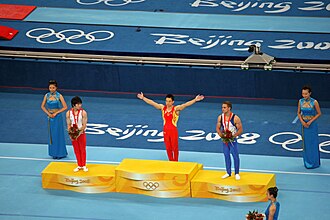
The sports programme was diverse, ranging from traditional athletics and aquatics to specialized disciplines like Taekwondo and BMX cycling. The event also saw the participation of athletes from 204 National Olympic Committees, including several nations competing for the first time.
Summary of Games Overview
| Category | Details |
|---|---|
| Motto | One World, One Dream |
| Total Athletes | 10,899 |
| Total Events | 302 |
| Participating Nations | 204 |
| Primary Stadium | Beijing National Stadium (Bird's Nest) |
| Cauldron Ignited By | Li Ning |
Controversies and Legacy
Despite the logistical success, the Games were not without controversy. The event was shadowed by concerns over human rights in China, leading to protests during the torch relay and the opening of the Games. Additionally, the event faced scrutiny regarding doping and age-fixing in gymnastics.
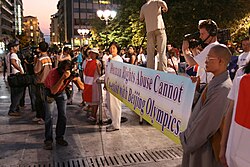
The legacy of the 2008 Games is a mixture of architectural pride and urban challenge. While the venues remain as monuments to the event, the long-term utility of some sites has been debated. Nevertheless, the Games paved the way for Beijing to later host the 2022 Winter Olympics, making it the first city to host both Summer and Winter Games.
Frequently Asked Questions
Who lit the Olympic cauldron at the 2008 Beijing Games?
The Olympic cauldron was ignited by the renowned Chinese gymnast Li Ning during the Opening Ceremony.
What were the most famous venues of the 2008 Olympics?
The most iconic venues were the Beijing National Stadium, known as the "Bird's Nest," and the National Aquatics Center, known as the "Water Cube."
How many nations participated in the 2008 Summer Olympics?
A total of 204 nations participated in the Games.
What was unique about the 2008 Olympic medals?
The medals for the 2008 Summer Olympics were distinguished by a ring of jade on the reverse side.
What was the motto of the Beijing 2008 Games?
The official motto was "One World, One Dream" (同一个世界 同一个梦想).