Baltimore Music History: From Classical Roots to Jazz and Modern Rock
Baltimore, the largest city in Maryland, possesses a musical legacy that stretches back to 1784. Over the centuries, the city has evolved into a vital regional hub for both Western classical music and jazz. From its early days as a center for opera and musical theatre to its role in pioneering African American musical expressions, Baltimore has consistently fostered a diverse and vibrant sonic landscape.
The city's contribution to music is not limited to performance; it was once a powerhouse of music publishing and instrument manufacturing, particularly in the production of pianos and woodwind instruments. Today, this heritage continues through world-class educational institutions and a thriving modern scene that spans punk, metal, and indie rock.
Key Facts
- The Peabody Institute is one of the nation's top music education facilities and is now affiliated with Johns Hopkins University.
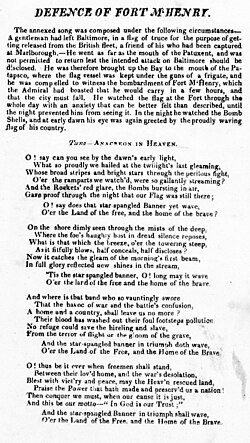
- The Carr family published the first sheet music version of "The Star-Spangled Banner" in 1814.
- The Baltimore Symphony Orchestra (BSO) was the first municipally funded orchestra in the United States.
- Cab Calloway and his sister Blanche Calloway were pivotal figures in the city's early jazz scene.
- Fells Point and Federal Hill remain primary clusters for live music and nightclubs.
Early Foundations: Publishing and Instrument Making

In the late 18th century, Baltimore established itself as a center for musical literacy. The first tunebook published in Maryland, the Baltimore Collection of Church Music, was released by Alexander Ely in 1792. By 1794, Joseph Carr and his sons created one of the era's most successful publishing firms. The Carrs were instrumental in distributing European instrumentals and American works, most notably the 1814 publication of "The Star-Spangled Banner," arranged by Thomas Carr.
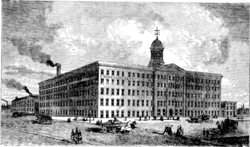
Beyond publishing, the 19th century saw the rise of native instrument manufacturing. The city became known for high-quality woodwinds and pianos, with firms like Wm. Knabe & Co. contributing to the city's industrial musical identity.
The Evolution of Classical Music and Education
Classical music in Baltimore began to formalize with the Peabody Orchestra in 1866, which premiered works by Danish composer Asger Hamerik. While early attempts at a symphony orchestra fluctuated—including a short-lived version founded by Ross Jungnickel—the modern Baltimore Symphony Orchestra (BSO) took shape in 1916. Organized by the Florestan Club, it became the first municipally funded company of its kind in the country.
Under the later leadership of Joseph Meyerhoff and Sergiu Comissiona, the BSO professionalized and grew into a state leader in the arts. Subsequent director David Zinman led the orchestra on international tours, including a historic first tour of the Soviet bloc.
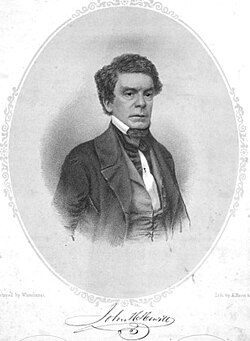
Parallel to the professional orchestras, music education flourished. In the 1830s, singing schools shifted from religious to secular curricula. Institutions like Ruel Shaw's Academy and the Musical Institute, founded by John Hill Hewitt and William Stoddard, became prominent rivals in the city's educational landscape.
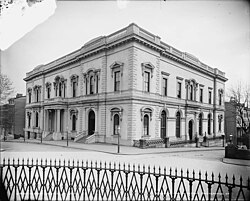
The crown jewel of local education remains the Peabody Institute's Conservatory of Music. Founded in 1857, it has remained a top-tier national facility for decades, providing a rigorous academic environment for aspiring musicians.
African American Musical Heritage
African American music has been a cornerstone of Baltimore's identity since the colonial era. By the 1860s, the city boasted a vibrant black musical life, which evolved through ragtime and gospel into a world-renowned jazz scene.
Classical and Symphonic Contributions
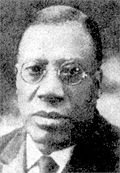
In the early 20th century, Baltimore supported African American classically oriented institutions. Charles L. Harris led the Baltimore Colored Chorus and Symphony Orchestra from 1929 to 1939. This era also saw the influence of A. Jack Thomas, who founded the interracial Aeolian Institute. Despite the prestige of these groups, they often faced restrictions; for instance, the municipal music director Fred Huber forbade the performance of jazz in these bands.
The Jazz Age and Beyond
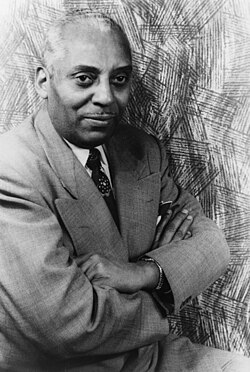
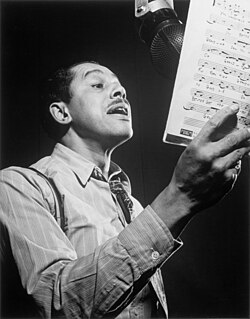
The transition to jazz was marked by pioneers like John Ridgely and the Drexel Ragtime Syncopators. However, the Calloway family brought national attention to the city. Blanche Calloway was one of the first female jazz bandleaders in the U.S., and her brother Cab Calloway became a global icon.
Other notable figures included the legendary drummer Chick Webb and performers like Elmer Snowden and Ethel Ennis. By 1965, the Left Bank Jazz Society began hosting weekly concerts featuring giants such as Duke Ellington and John Coltrane, creating a legendary archive of recordings.
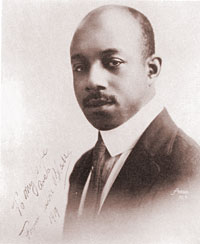
Soul and Doo Wop
While less famous for soul than Philadelphia, Baltimore hosted several influential labels in the 1960s and 70s, such as Ru-Jac. Artists like Joe Quarterman and Arthur Conley performed at venues like The Royal and Carr's beach in Annapolis, one of the few accessible beaches for Black citizens at the time.
Modern Scenes and Performance Venues
Today, Baltimore's music scene is eclectic. The city produces a wide array of rock, punk, and metal bands, supported by various indie labels. A unique addition to the local culture is the Baltimore Rock Opera Society, an all-volunteer company that creates original rock operas.
The city's infrastructure supports this diversity through several major halls:
- The Meyerhoff Symphony Hall: The permanent home of the BSO.
- The Lyric Opera House: Modeled after Amsterdam's Concertgebouw.
- The Joseph and Rebecca Meyerhoff Auditorium: Located at the Baltimore Museum of Art.
- Shriver Hall and Miriam A. Friedberg: Key venues for Johns Hopkins and the Peabody.
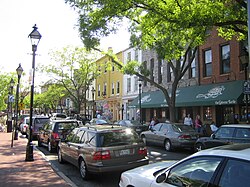
For those seeking a more contemporary experience, the nightclubs of Fells Point and Federal Hill serve as the heart of the city's live entertainment.
| Era/Category | Key Entity/Person | Significance |
|---|---|---|
| Early Publishing | The Carr Family | First sheet music of "The Star-Spangled Banner" (1814) |
| Classical | Baltimore Symphony Orchestra | First municipally funded orchestra in the U.S. |
| Education | Peabody Institute | Nationally renowned conservatory founded in 1857 |
| Jazz | Cab & Blanche Calloway | Pioneering jazz leadership and performance |
| Modern | Baltimore Rock Opera Society | Indigenous volunteer rock opera company |
Frequently Asked Questions
What is the significance of the Peabody Institute in Baltimore?
The Peabody Institute is one of the most prestigious music education facilities in the United States. Founded in 1857, it provides high-level conservatory training and is currently affiliated with Johns Hopkins University.
Who were the most influential jazz figures from Baltimore?
Cab Calloway and his sister Blanche Calloway were among the most prominent. Other key figures include drummer Chick Webb, as well as early pioneers like John Ridgely and the Drexel Ragtime Syncopators.
Which Baltimore orchestra was the first to be municipally funded?
The reformed Baltimore Symphony Orchestra, organized by the Florestan Club and beginning its run in 1916, was the first municipally funded orchestra in the country.
Where can visitors find live music in Baltimore today?
Live entertainment is heavily concentrated in the Fells Point and Federal Hill neighborhoods, which are home to numerous nightclubs and music venues.
What role did the Carr family play in American music history?
The Carrs operated one of the most successful publishing firms in the late 18th and early 19th centuries and are credited with the first sheet music publication of "The Star-Spangled Banner" in 1814.