Ballet Dancers: The Art of Discipline and Precision
A ballet dancer is an artist dedicated to the rigorous practice of classical ballet. This demanding discipline is open to both males and females, requiring years of extensive training and a mastery of precise technique to secure a position within a professional company. While the final performance often appears effortless, it is the result of an intense physical and mental commitment to one of the most challenging art forms in the world.
Key Facts
- Training Start: Professional instruction typically begins between the ages of seven and ten.
- Core Methods: Major pedagogical systems include Vaganova (Russian), Cecchetti (Italian), Royal Academy of Dance (British), and Balanchine (American).
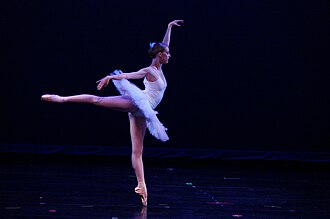
- Pointe Work: Female dancers usually transition to pointe shoes around age 12, once foot bones have developed.
- Injury Risks: High susceptibility to stress fractures, tendonitis, and joint issues due to unnatural body positioning.
- Modern Ranks: Most contemporary companies use gender-neutral titles like Principal Dancer and Soloist.
Training and Technical Foundations
Classical ballet training is a multi-year journey designed to develop extreme flexibility, muscular strength, and motor control. From the earliest stages, students focus on placement and turnout—the outward rotation of the legs from the hips. Turnout is fundamental to the ballet aesthetic, enabling the lateral movements and range of motion required for complex choreography.
Pedagogical Methods
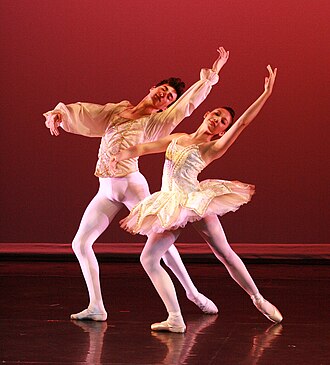
Depending on the region and school, dancers follow different pedagogical systems. The Vaganova method (Russian), Cecchetti method (Italian), Royal Academy of Dance (British), and Balanchine method (American) each offer distinct approaches to style, tempo, and execution.
The Structure of a Ballet Class
Regardless of the method, a standard class is divided into two primary segments:
- Barre: Dancers use a wooden rail for stability while performing warm-up exercises such as pliés (bending of the knees) and grand battement (large kicks) to prepare the muscles.
- Centre: Without support, dancers perform adagio (slow, controlled movements), allegro (brisk footwork and jumps), and tours (turns).
Specialized Gender-Based Techniques
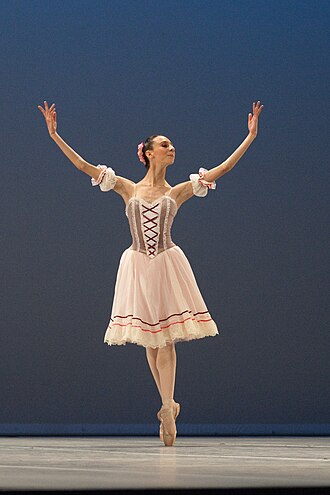
As dancers progress, their training diverges based on technical requirements. Female dancers move into pointe work, dancing on the tips of their toes using reinforced shoes. Male dancers focus on virtuosity, emphasizing grand allegro (high-elevation jumps), complex multiple turns, and the strength required for pas de deux (partnering) to lift and support their partners.
Managing Physical Strain and Injuries
The goal of a ballet dancer is to make physically grueling movements look seamless, but this often comes at a cost. The body is frequently placed in unnatural positions, making dancers susceptible to various injuries.
Common Areas of Injury
- Upper Body: Back bends can lead to pinched nerves and spasms, while extreme leg extensions can cause hip strains, fatigue fractures, and loss of bone density.
- Knees: Incorrect execution of the first position (heels together, toes outward) can lead to meniscal tears and dislocations if the rotation comes from the knees rather than the hips.
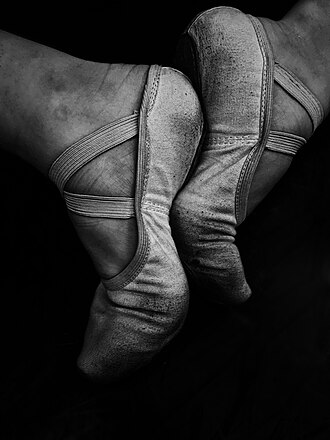
- Feet and Ankles: Pointe work often leads to tendonitis in women. Incorrect landings from jumps can cause broken bones, weakened ankles, or shin splints, where the muscle separates from the bone.
Prevention and Recovery
Proper training is the first line of defense against injury. Many dancers supplement their work with cross-training, including Pilates, yoga, swimming, and non-impact cardio to increase stamina and strength. Modern companies often provide in-house health suites and physiotherapists. Notably, the Australian Ballet developed a specific calf rise exercise to prevent injuries, which is now utilized globally and featured on World Ballet Day.
Professional Hierarchy and Titles
The terminology of ballet reflects the aristocratic history of Western Europe. Originally a male-dominated court spectacle under Louis XIV, ballet titles once mirrored social hierarchies.
The Evolution of Gendered Titles
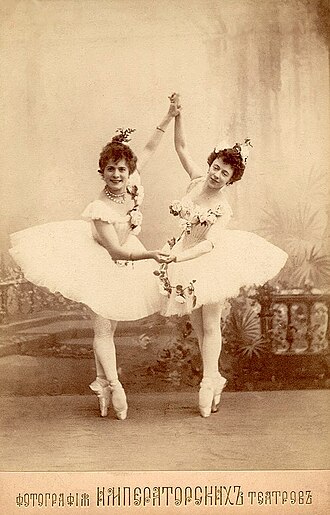
In the 17th and 18th centuries, the danseur noble was the highest rank for men, reserved for those with a "princely" physique. Women entered the professional sphere later, with the term ballerina emerging from the Italian school. During the 19th-century Romantic era, the focus shifted toward women, leading to the title of prima ballerina assoluta for dancers of international renown. During this time, the male role often shifted to that of a cavalier, primarily serving as a support for the ballerina.
Modern Company Rankings
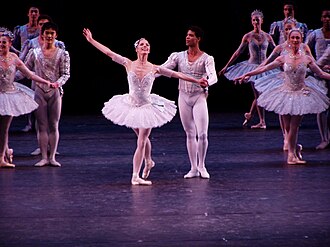
Today, most major companies like the Royal Ballet and American Ballet Theatre have adopted gender-neutral hierarchies. While "ballerina" is still used colloquially, professional ranks are typically structured as follows:
| Rank | Description |
|---|---|
| Principal Dancer / Étoile | The highest rank; leading dancers of the company. |
| Soloist | Dancers who perform solo roles and lead small groups. |
| Demi-soloist | Intermediate rank between the corps and soloists. |
| Corps de Ballet | The ensemble dancers who perform as a group. |
| Apprentice / Junior Company | Young recruits in training or entry-level professional roles. |
Additionally, high-ranking dancers may be hired as Guest Artists, performing lead roles for companies other than their home institution.
Frequently Asked Questions
At what age do ballet dancers typically start professional training?
Professional training generally begins between the ages of seven and ten to establish the necessary flexibility and foundational technique.
What is the difference between a ballerina and a prima ballerina assoluta?
While "ballerina" is now often used for any female ballet dancer, a prima ballerina assoluta is a rare, superlative rank reserved for dancers of the highest international prestige.
Why is "turnout" so important in ballet?
Turnout, the outward rotation of the legs from the hips, is essential for the aesthetic of the dance and allows for a greater range of motion during lateral movements.
When do female dancers start pointe work?
Female dancers typically begin pointe work around age 12, ensuring that the bones in their feet are sufficiently developed and their ankles are strong enough to support their weight.
How do modern ballet companies prevent injuries?
Companies use a combination of proper technical instruction, in-house physiotherapy, and cross-training methods like Pilates and yoga to minimize physical risk.