Atlético Madrid: The History and Legacy of the Colchoneros
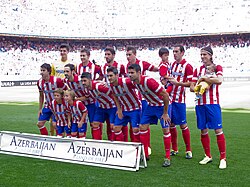
Founded on April 26, 1903, as Athletic Club Sucursal de Madrid, Club Atlético de Madrid, S.A.D. has evolved into one of the most formidable forces in global football. Known affectionately as the Rojiblancos (The Red-Whites) and the Colchoneros (Mattress Makers), the club is defined by its resilience, passionate fanbase, and a storied history of challenging the elite of Spanish sport.
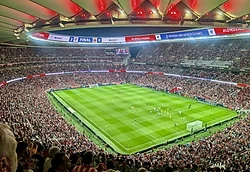
Today, the club operates from the state-of-the-art Estadio Riyadh Air Metropolitano, a venue with a capacity of 70,692, serving as the fortress for a team that consistently competes at the highest levels of La Liga and European competition.
Key Facts
- Founded: April 26, 1903.
- Stadium: Estadio Riyadh Air Metropolitano (Capacity: 70,692).
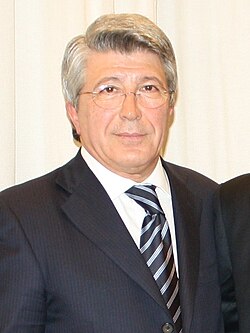
- Current President: Enrique Cerezo.
- Head Coach: Diego Simeone.
- All-Time Top Scorer: Antoine Griezmann.
- Major Ownership: Apollo Sports Capital (55%) and Quantum Pacific Group (25%).
A Century of Footballing Evolution
Foundation and Early Years (1903–1947)
The club's early decades were marked by foundational growth and structural changes. Between 1939 and 1947, the club was known as Athletic Aviación de Madrid, establishing a presence that would eventually lead to its first major era of success.
The Golden Age and European Ambitions (1947–1974)
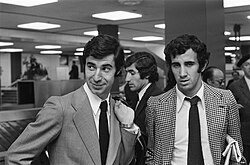
From 1947 to 1965, Atlético entered a "Golden Age," cementing its status as a domestic powerhouse. This momentum carried into the late 60s and early 70s, where the club became a regular fixture in European competition. A defining moment occurred in 1974 when the squad, featuring key attacking talents like José Eulogio Gárate and Javier Irureta, reached the European Cup final.
The Aragonés and Transition Eras (1974–2005)
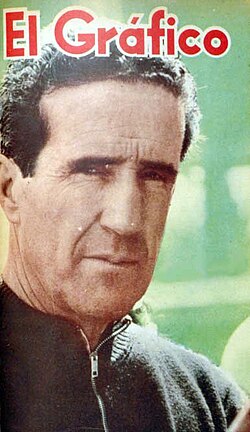
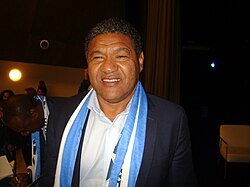
The period between 1974 and 1987 was dominated by the influence of Luis Aragonés, who remains the club's most successful manager. Following this, the "Transition years" (1987–2005) saw a mix of volatility and triumph, including a league and cup double in 1996 under the guidance of Radomir Antić during the ownership of Jesús Gil.

Modern Revival: The Simeone Revolution (2011–Present)
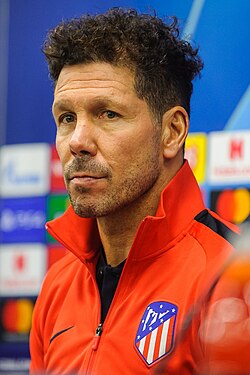
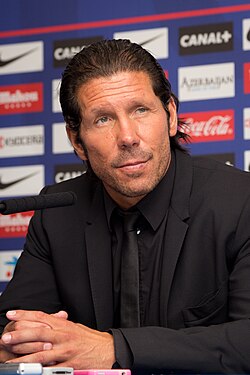
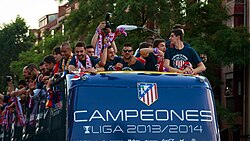
The appointment of Diego Simeone on December 23, 2011, sparked a total revival of the club's fortunes. Simeone implemented a rigorous tactical identity that led Atlético to two UEFA Champions League finals and multiple La Liga titles, including the 2013–14 and 2020–21 triumphs.

Club Statistics and Performance
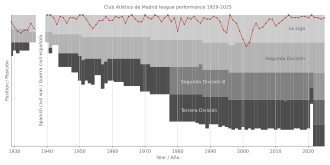
Atlético Madrid has spent the vast majority of its existence in the top flight, with 89 seasons in La Liga and only 6 in the Segunda División. Their recent decade has been characterized by consistent top-four finishes and deep runs in the UEFA Champions League and Europa League.
| Season | Position | Points | League Goals (GF) | Champions League Result |
|---|---|---|---|---|
| 2013–14 | 1st | 90 | 77 | Runner-up |
| 2017–18 | 2nd | 79 | 58 | Group Stage |
| 2020–21 | 1st | 86 | 67 | Round of 16 |
| 2023–24 | 4th | 76 | 70 | Quarter-finals |
Legendary Figures and Icons

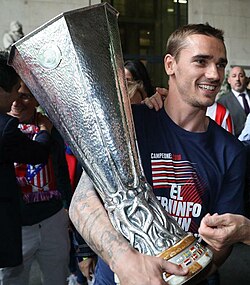
The club's history is written by players who embodied the Colchonero spirit. Koke holds the record for the most appearances (740), while Antoine Griezmann stands as the all-time leading goalscorer with 212 goals.
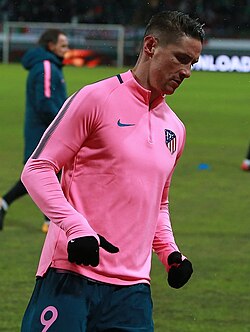
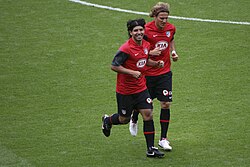
Other notable figures include Fernando Torres, who began his career at the club and achieved global fame, and the lethal striking partnership of Sergio Agüero and Diego Forlán, the latter of whom won the European Golden Shoe in 2009.
Rivalries and Global Reach
The Madrid derby against Real Madrid is one of the most intense rivalries in football, representing a clash of cultures and identities within the Spanish capital. The club also maintains a fierce competitive relationship with FC Barcelona.
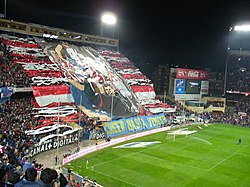
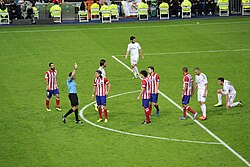
With 18 million followers globally, Atlético Madrid ranks among the most supported sports clubs in the world, reflecting its transition from a local Madrid side to a global brand.
Frequently Asked Questions
What are the nicknames of Atlético Madrid?
The club is commonly known as the Rojiblancos (The Red-Whites), the Colchoneros (Mattress Makers), and the Indios (Indians).
Who is the most successful manager in the club's history?
Luis Aragonés is regarded as Atlético's most successful manager, though Diego Simeone has led the club to significant modern success, including two Champions League finals.
Who is the all-time top scorer for Atlético Madrid?
Antoine Griezmann is the club's all-time top scorer, having netted 212 goals across his tenure.
Where does Atlético Madrid play its home matches?
The club plays its home matches at the Estadio Riyadh Air Metropolitano, which has a capacity of 70,692.
Who currently owns Atlético Madrid?
The club is primarily owned by Apollo Sports Capital (55%) and the Quantum Pacific Group (25%).