Athletic Coaching: The Science and Art of Developing Elite Athletes
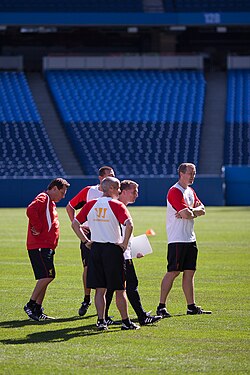
An athletic coach is a professional dedicated to the direction, instruction, and training of athletes or sports teams. While often viewed simply as a figure on the sidelines, modern coaching is a complex discipline that blends physical education, psychological support, and strategic expertise to drive performance and personal growth.
From the professional stadiums of the NFL to local school programs, coaches play a pivotal role in shaping the physical conditioning and morale of participants. As the role has evolved, it has moved from simple instruction to a holistic practice that encompasses safety, social awareness, and long-term development.
Key Facts
- Professionalization: The role of the coach became well-established during the Victorian era and by 1914.
- Holistic Approach: Modern coaching includes managing social factors, such as the relative age effect, and ensuring athlete safety.
- The 4 C's Model: Effective coaching is often measured by competence, confidence, connection, and character.
- Support Systems: Professional coaches are typically supported by a specialized team, including sports scientists, nutritionists, and physiotherapists.
The Evolution and History of Coaching
The professionalization of coaching has deep historical roots. Britain led the way in upgrading the status of sports during the 19th century. As sports became more organized, the specific role of the "coacher" became essential. This professional status was firmly established by 1914. During the First World War, the importance of coaching was further recognized as military units utilized coaches to supervise physical conditioning and build team morale.
The Dimensions of Effective Coaching
Effective coaching extends far beyond teaching sport-specific skills. It requires a sophisticated balance of interpersonal and intrapersonal skills.
Interpersonal Dynamics
A significant portion of coaching involves managing relationships. Coaches must interact with players, staff, the community, opponents, and—in youth sports—family members. The coach–athlete relationship is considered one of the most crucial elements of success, as these social interactions directly influence player performance, development, and even the financial backing of professional organizations.
Intrapersonal and Psychological Impact
Research using the coaching behavior assessment system shows that a coach's knowledge and behavior significantly influence an athlete's psychological profile. This includes impacts on self-esteem, motivation, satisfaction, attitudes, and perceived competence. To be deemed effective, a coach must demonstrate the ability to sustain athlete improvement over an extended period.
The 4 C's Model of Development
To categorize areas of athlete development, experts originally used a "5 C's" model, which included competence, confidence, connection, character, and compassion. This has since been streamlined into a 4 C's model by combining character and compassion. Competence, specifically, is linked to leadership and helps athletes become self-reliant members of both their teams and society.
Professional Coaching Structures
In high-level professional sports, the head coach rarely works in isolation. They are typically supported by a diverse array of specialists designed to optimize every aspect of an athlete's life.
| Role | Primary Focus Area |
|---|---|
| Assistant Coach | Direct support to the head coach and tactical assistance |
| Sports Scientist | Data-driven performance and physiological optimization |
| Strength and Conditioning Coach | Physical fitness, power, and injury prevention |
| Sports Psychologist | Mental health, motivation, and psychological resilience |
| Physiotherapist | Physical rehabilitation and injury management |
| Nutritionist | Dietary optimization for performance and recovery |
| Sports Analyst | Tactical data and performance statistics |
Sport-Specific Coaching Roles
Terminology and responsibilities vary significantly depending on the sport and the region.
Association Football (Soccer)
In football, youth coaches act as pedagogues, focusing on developing tactical awareness so that players are prepared for senior-level competition (aged 18 and over). In English professional football, the role of "manager" is common, combining the duties of a coach with those of a sporting director.
Ice Hockey
In ice hockey, the coach is primarily responsible for directing the team during both practices and games, developing strategies, and making decisions regarding player participation in matches.
American Baseball
Terminology in baseball often depends on the level of play. While amateur and U.S. college baseball typically use the term "head coach," professional leagues use the title "manager."
American Football
In the NFL, head coaches are represented by a collective body known as the NFL Coaches Association (NFLCA), which includes nearly all coaches within the league.
Frequently Asked Questions
What is the difference between a coach and a manager in football?
In English professional football, a manager is a role that combines the traditional duties of a coach with the responsibilities of a sporting director.
How does coaching affect an athlete's mental state?
Coaching behavior can significantly influence an athlete's psychological profile, affecting their motivation, self-esteem, satisfaction, and perceived competence.
What are the 4 C's of coaching?
The 4 C's model of development includes competence, confidence, connection, and a combination of character and compassion.
Who makes up a professional coaching staff?
A professional staff often includes assistant coaches and specialists such as sports scientists, strength and conditioning coaches, psychologists, physiotherapists, nutritionists, biomechanists, and analysts.
Why is tactical awareness important in youth sports?
Youth coaches must facilitate tactical growth so that by the time players reach senior levels (18+), they possess a solid understanding of the game's tactical basis.