Asiana Airlines: A Comprehensive Overview of South Korea's Global Carrier
Asiana Airlines stands as a major pillar of the South Korean aviation industry. Headquartered in Seoul, this mid-sized global carrier has built a reputation for connecting Asia, Europe, and North America through an extensive network of passenger and cargo routes. As the industry undergoes significant shifts, understanding the history, operations, and future of Asiana Airlines provides insight into the evolving landscape of global aviation.
Since commencing operations in December 1988, the airline has grown from its origins as Seoul Air International into a prominent member of the Star Alliance—the world's largest global airline alliance. Today, it serves as a vital link for both international travelers and domestic passengers within South Korea.
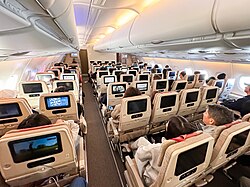
Key Facts
- Founded: 17 February 1988 (as Seoul Airlines)
- Hubs: Seoul–Incheon (International) and Seoul–Gimpo (Domestic)
- Alliance: Star Alliance member since 2003
- Fleet Size: 67 aircraft in service
- Destinations: 78 total destinations
- Parent Company: Korean Air (63.9% ownership as of 2024)
The Evolution of Asiana Airlines
Founding and Early Growth
Asiana Airlines was established in 1988 by the Kumho Asiana Group. At the time, the South Korean aviation market was a monopoly held by Korean Air. The formation of Asiana was driven by interests seeking to introduce competition into the domestic market. The airline began its journey with flights to Busan and quickly expanded its reach.
By the late 1990s, the airline had achieved significant milestones, including being listed on the KOSDAQ in 1999. A pivotal moment in its global expansion occurred on 28 January 2003, when Asiana became a full member of the Star Alliance, allowing for seamless connectivity with partner airlines worldwide.
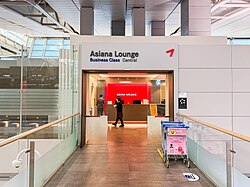
The Path to Merger with Korean Air
A transformative era began on 16 November 2020, when the Government of the Republic of Korea announced a policy to merge Asiana Airlines with Korean Air. This strategic move aimed to consolidate the industry and strengthen South Korea's aviation presence.
Following regulatory approvals from the European Commission and the United States in late 2024, Korean Air officially completed the acquisition of Asiana Airlines on 12 December 2024. The deal, valued at 1.5 trillion won (approximately US$1.6 billion), saw Korean Air acquire a 63.88% stake. While the companies will operate as separate brands for a period, the full integration is expected to be completed by 17 December 2026.
Fleet and Operational Capabilities
Asiana Airlines maintains a diverse fleet designed to service both short-haul domestic routes and long-haul international journeys. The current fleet includes modern aircraft such as the Airbus A350-900 and the Airbus A321neo, alongside the Boeing 777-200ER.
Current Fleet Composition
| Aircraft Type | In Service | Orders | Passenger Capacity (Typical) |
|---|---|---|---|
| Airbus A321-200 | 11 | 0 | 174 |
| Airbus A321neo | 13 | 12 | 188 |
| Airbus A330-300 | 14 | 0 | 298 |
| Airbus A350-900 | 15 | 0 | 311 |
| Airbus A380-800 | 6 | 0 | 495 |
| Boeing 777-200ER | 8 | 0 | 302 |
In addition to passenger services, the airline operates Asiana Cargo, its dedicated freight division, which provides essential logistics services to 29 cities across 14 countries.
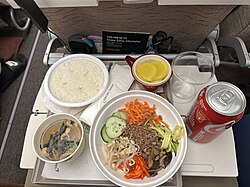
Passenger Services and Partnerships
To enhance the travel experience, Asiana Airlines offers the Asiana Club, its frequent-flyer program. The airline also maintains an extensive list of codeshare agreements—arrangements where two or more airlines share the same flight—with major carriers such as United Airlines, Air Canada, and Singapore Airlines. This allows passengers to enjoy a broader network of destinations under a single booking.
Frequently Asked Questions
When will the Asiana Airlines and Korean Air merger be complete?
While Korean Air completed the acquisition of Asiana Airlines in December 2024, the full integration of the two airlines is scheduled to be completed on 17 December 2026.
What is the Asiana Club?
The Asiana Club is the airline's official frequent-flyer program, allowing passengers to earn and redeem points for travel and other services.
Where are Asiana Airlines' main hubs located?
The airline operates its international hub at Incheon International Airport and its domestic hub at Gimpo International Airport, both located in Seoul, South Korea.
Is Asiana Airlines part of an alliance?
Yes, Asiana Airlines has been a full member of the Star Alliance since January 2003.
What airlines does Asiana Airlines codeshare with?
Asiana Airlines has codeshare agreements with a wide variety of international carriers, including United Airlines, Air Canada, All Nippon Airways, and many others.