Armenian Genocide: History, Execution, and Global Legacy
The Armenian Genocide was a systematic campaign of extermination carried out between 1915 and 1917 within the Ottoman Empire. Orchestrated by the Committee of Union and Progress (CUP), this period of mass violence targeted Ottoman Armenians, resulting in an estimated death toll of 600,000 to 1.5 million people. The campaign utilized a combination of direct massacres, forced death marches, and forced Islamization to eradicate the Armenian population from their ancestral lands.
Key Facts
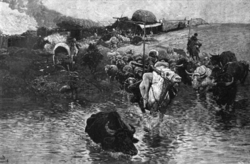
- Timeframe: 1915–1917 (with continued violence during the Turkish War of Independence).
- Death Toll: Estimated between 600,000 and 1.5 million people.
- Perpetrators: The Committee of Union and Progress (CUP).
- Primary Methods: Systematic deportations, death marches, and confiscation of property.
- Humanitarian Response: Near East Relief raised $110 million (approx. $2.1 billion inflation-adjusted) between 1915 and 1930.
Historical Context and Onset
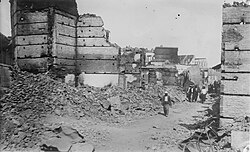
The path to the genocide was paved by long-standing land conflicts, failed reforms, and the political volatility of the early 20th century. The Young Turk Revolution and the subsequent Balkan Wars created a climate of intense nationalism and instability. When the Ottoman Empire entered World War I, the CUP government viewed the Armenian population as a threat to their nationalist ambitions.
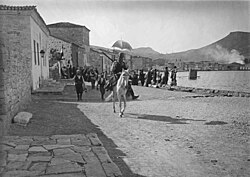
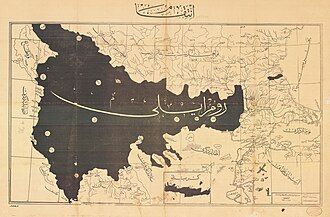
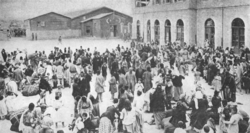
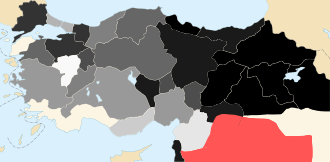
The genocide began with the systematic deportation of Armenians from their homes. This process was highly organized, targeting specific provinces known as vilayets, where the majority of Armenian villages were located.
![The Six Vilayets: Bitlis, Diyarbekir, Erzerum, Harput, Sivas and Van. Most villages populated by Armenians were in these provinces.[5]](/images/45/1f/451f9215b79dfbc62b0737b37e14c5bf3223a7395167ed18211667e51ca18aa4.png)
The Mechanics of Destruction
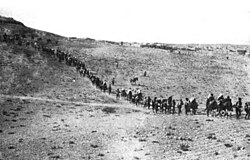
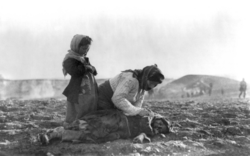
The CUP employed several methods to ensure the destruction of the Armenian people. Death marches were a primary tool; deportees were forced to walk long distances toward the Syrian desert without adequate food, water, or protection, leading to mass death from exhaustion and starvation.
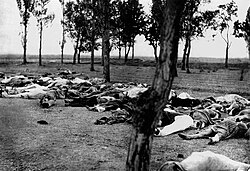
Beyond the marches, the state implemented forced Islamization—the compulsory conversion of Armenians to Islam—and the widespread confiscation of Armenian property and assets to fund the state and reward loyalists.
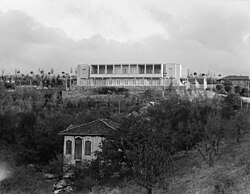
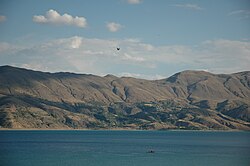
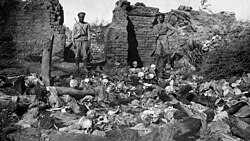
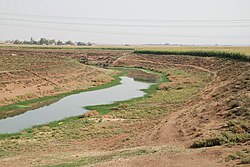
The brutality was documented by international observers. For example, in September 1915, U.S. consul Leslie Davis discovered hundreds of corpses in Lake Hazar and surrounding gorges.
International Reaction and Relief
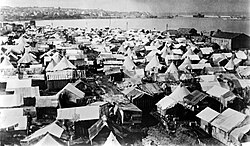
The scale of the atrocities triggered a global humanitarian response. Dozens of countries organized fundraising efforts to support survivors. A notable initiative was "Golden Rule Sundays," where participants in 49 countries adopted the meager diet of refugees to raise awareness and funds.
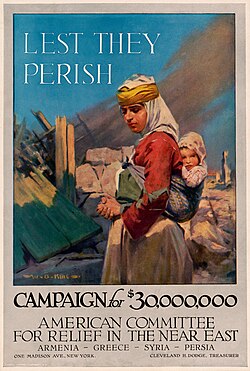
The organization Near East Relief became the primary vehicle for aid, providing critical support and evacuating children from regions like Harput in the early 1920s.
The Aftermath and the Turkish War of Independence
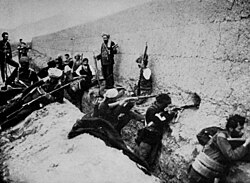
Following World War I, the CUP regrouped as the Turkish nationalist movement. This movement viewed the return of Armenian survivors as a threat to their new nationalist state. Consequently, many survivors who attempted to return to Anatolia were murdered.
Historian Raymond Kévorkian argues that the Turkish War of Independence was intended to complete the genocide by eradicating remaining Armenian, Greek, and Syriac survivors. In 1920, General Kâzım Karabekir invaded Armenia with orders to eliminate the nation physically and politically, leading to the massacre of nearly 100,000 Armenians in Transcaucasia.
Legacy and Recognition
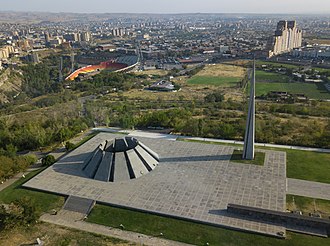
Today, the genocide is commemorated every April 24th, marking the anniversary of the deportation of Armenian intellectuals. This day serves as a focal point for the global Armenian diaspora to demand international recognition of the events.
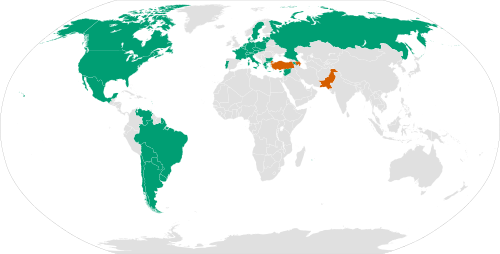
While many national legislatures have passed resolutions recognizing the Armenian Genocide, the event remains a point of intense diplomatic contention, with some states explicitly denying that a genocide occurred.
| Category | Details |
|---|---|
| Target Population | Ottoman Armenians |
| Primary Perpetrators | Committee of Union and Progress (CUP) |
| Estimated Deaths | 600,000 to 1.5 million |
| Key Methods | Deportations, Death Marches, Islamization |
| Major Relief Org | Near East Relief |
Frequently Asked Questions
What was the primary goal of the Committee of Union and Progress?
The CUP sought to establish a nationalist Turkish state, which involved the systematic removal and eradication of the Armenian population, whom they viewed as a threat to their ambitions.
What were the "death marches"?
Death marches were forced deportations where Armenians were driven from their homes toward the Syrian desert. Lacking food and water, and subjected to violence, the majority of deportees died during these journeys.
How did the international community respond to the genocide?
Many countries organized humanitarian aid. Near East Relief raised approximately $110 million between 1915 and 1930 to provide food, shelter, and medical care to survivors and orphans.
Why is April 24th significant?
April 24th is Armenian Genocide Remembrance Day, commemorating the 1915 deportation and arrest of Armenian intellectuals in Constantinople, which signaled the start of the systematic genocide.
Did the violence end with World War I?
No. During the Turkish War of Independence, nationalist forces continued to target survivors. General Kâzım Karabekir's 1920 invasion of Armenia resulted in the massacre of nearly 100,000 more people.