Argentina Demographics: Population Trends, Ethnicity, and Migration
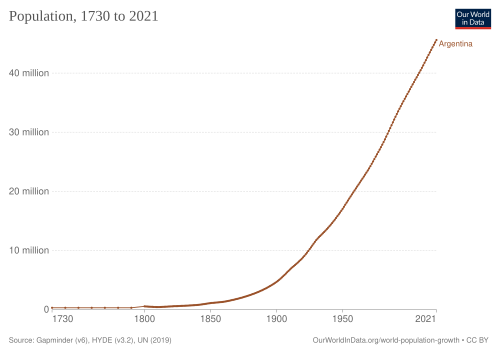
Argentina presents a complex and evolving demographic profile, shaped by centuries of massive international migration and a shifting internal birth rate. As of 2025, the population is estimated at 46,735,004, reflecting a steady increase from the 40,117,096 residents recorded in the 2010 census. This growth is characterized by a low density of approximately 16.8 people per square kilometer, with a significant portion of the population concentrated in urban centers.
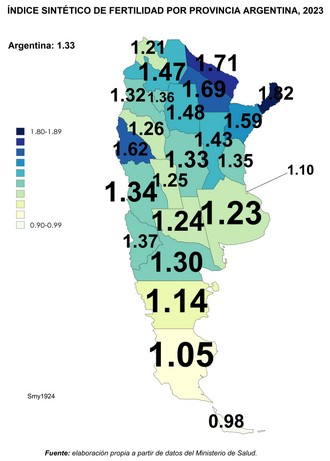
The nation's demographic trajectory has shifted from the high-growth periods of the late 19th and early 20th centuries to a more stable, slower growth rate of 0.23% as of 2023. This transition is mirrored in the fertility rates, which have plummeted from a peak of 7.0 children per woman in 1895 to just 1.23 in 2024.
Key Facts

- Total Population: 46,735,004 (2025 estimate).
- Life Expectancy: 78.8 years on average (82.0 for females, 75.8 for males).
- Fertility Rate: 1.23 children born per woman (2024).
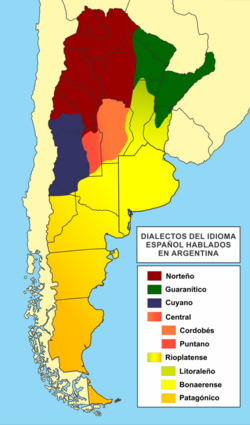
- Official Language: Spanish, spoken by 96.8% of the population.
- Urban Concentration: 35.8% of the population resides in Buenos Aires.
- Immigrant Share: 4.3% of the population (2024).
Population Structure and Distribution

Argentina's age structure is currently dominated by the working-age population. Approximately 67.7% of residents fall within the 15–64 age bracket, while 20.1% are children aged 0–14. The elderly population (65 and over) makes up 12.2% of the total, a segment that has grown steadily since 1950, when it represented only 4.2%.
Urbanization and Regional Density
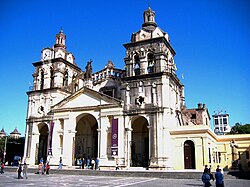
The distribution of the population is highly uneven. The city of Buenos Aires alone houses 35.8% of the national population. Other major urban hubs include Córdoba (4.06%), Rosario (3.34%), Mendoza (2.72%), and Tucumán (2.35%). In contrast, 51.7% of the population is spread across the rest of the country's provinces.
Provincial Variations
Population density varies wildly by province. For instance, the city of Buenos Aires reaches a density of 15,372.5/km², while provinces like Santa Cruz have as few as 1.4/km². Growth rates also differ; Tierra del Fuego has seen a significant average growth of 3.43% since the 2010 census, the highest in the country.
Ethnic Composition and Cultural Identity

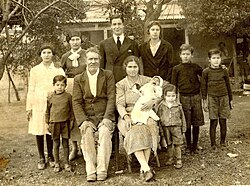
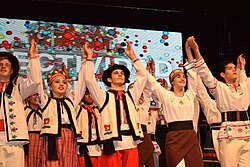
Argentina's ethnic makeup is a blend of European descendants, indigenous peoples, and other global migrations. The majority of the population is of White/European descent, with significant roots in Italy, Spain, France, Germany, and the Basque region. There is also a notable Levantine presence, including Lebanese and Syrian communities.
Indigenous Peoples
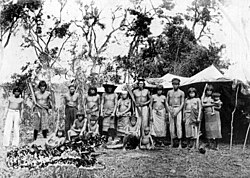
Indigenous groups represent approximately 2.83% of the population. According to survey data, the Mapuche (18.8% of the indigenous population) and Kolla (11.7%) are among the largest groups, followed by the Qom (11.5%) and Wichí (6.6%).
Black and Asian Populations
The Black population has seen a significant decline since the mid-19th century, dropping from 15% in 1857 to less than 0.66% today, consisting primarily of mulattoes and immigrants from Cape Verde, Angola, and Senegal. East Asian communities, including Chinese, Japanese, and Korean residents, also contribute to the nation's diversity.
Immigration and Language
![Foreign born residents in Argentina by country of birth[58]](/images/b2/25/b225123d6cc5f30d862048730b5730892fdb93df9a21d8a2fa121a3ae6e09928.png)
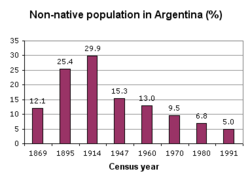
Immigration has been a cornerstone of Argentine identity. While historical waves were predominantly European, recent trends show a shift toward regional migration. As of 2022, the largest foreign-born populations come from Paraguay (522,598) and Bolivia (338,299), followed by a surge in Venezuelan immigrants (161,495).
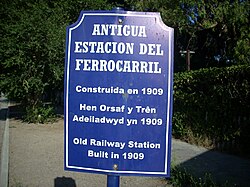
This multicultural history is reflected in the languages spoken. While Spanish is the official language, Italian is the most common minority language (1.7%). In specific regions, such as Gaiman in Chubut Province, signs in Welsh and English reflect unique settlement histories.
Summary of Demographic Indicators
| Indicator | Value | Note |
|---|---|---|
| Birth Rate | 9.9 / 1,000 | 2023 data |
| Death Rate | 7.6 / 1,000 | 2023 data |
| Infant Mortality | 8.0 / 1,000 | Live births (2023) |
| Net Migration Rate | -0.08 / 1,000 | 2023 estimate |
| Sex Ratio | 0.98 male/female | Total population |
Frequently Asked Questions
What is the current population of Argentina?
As of 2025, the estimated population is 46,735,004, following a 15.3% increase from the 2010 census count of 40,117,096.
How has the fertility rate changed over time?
The total fertility rate has decreased drastically, from 6.8 children per woman in 1869 and a peak of 7.0 in 1895, down to 1.23 children per woman in 2024.
Which countries do most recent immigrants to Argentina come from?
According to 2022 data, the highest numbers of foreign-born residents come from Paraguay, Bolivia, Venezuela, Peru, and Chile.
What is the ethnic composition of Argentina?
The population is predominantly of European descent (including Italian and Spanish). It also includes indigenous peoples (2.83%), a small Black population (0.66%), and various Asian and Levantine communities.
What is the average life expectancy in Argentina?
The average life expectancy is 78.8 years, with women living longer (82.0 years) than men (75.8 years) based on 2024 estimates.