Argentina 1958 General Elections: The Rise of Arturo Frondizi
On February 23, 1958, Argentina held general elections to determine its next President and legislative body. This electoral event was marked by an extraordinary level of civic engagement, recording a turnout of 90.6%—the highest in the nation's electoral history. The contest took place during a period of intense political volatility, as the country struggled to redefine itself following the violent overthrow of President Juan Perón in 1955.
The Political Climate and the Peronist Shadow
The 1958 elections were heavily influenced by the legacy of the 1955 coup. The succeeding military junta, led by General Pedro Aramburu, had banned the Peronist Party and prohibited any mention of Juan Perón or the late Eva Perón. Despite these draconian measures, a Civilian Advisory Board recommended against reversing most of Perón's social reforms and suggested a referendum to ratify the 1853 Constitution while retaining Article 15, which focused on social welfare.
Tensions peaked following a failed countercoup on June 10, which resulted in the execution of 27 plotters. This event stifled the junta's efforts to create a political alternative to Perón's populism, leaving a vacuum that other political factions sought to fill.
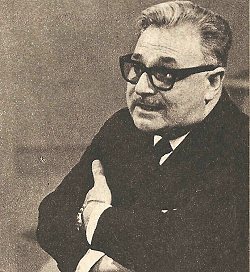
The Great Split: UCRI vs. UCRP
The Radical Civic Union (UCR) became the primary battleground for power. Arturo Frondizi, a former vice-presidential nominee, secretly negotiated a pact with the exiled Juan Perón. In this agreement, Frondizi promised to give Peronists a political voice in exchange for their electoral support. This secret deal caused a major rift within the UCR during their November 1956 convention.
The party split into two distinct factions:
- Intransigent Radical Civic Union (UCRI): The progressive wing led by Arturo Frondizi.
- People's Radical Civic Union (UCRP): The centrist wing led by Ricardo Balbín, who enjoyed the endorsement of the ruling junta.
The "February Surprise" and Election Results
Throughout the campaign, the exiled Perón remained the central, though legally unmentionable, figure—often referred to by the coded phrase El-qué-te-dije ("You know who"). Just four days before the election, Perón publicly endorsed Arturo Frondizi. This "February surprise" shifted the tide, as Peronist voters, who had previously cast blank ballots in 1957, pivoted their support to Frondizi.
Frondizi secured a decisive victory, winning both the popular vote and the Electoral College. His UCRI party also dominated the legislative elections, winning a significant majority in the Chamber of Deputies and sweeping nearly every provincial governorship.
Key Facts
- Highest Turnout: 90.6% of registered voters participated, a record for Argentina.
- Presidential Winner: Arturo Frondizi (UCRI) with 49.49% of the popular vote.
- Legislative Dominance: The UCRI won 133 out of 187 seats in the Chamber of Deputies.
- The Perón Factor: A secret pact and a last-minute public endorsement from the exiled Juan Perón were pivotal to Frondizi's victory.
- Electoral College: Frondizi received 318 electoral votes, far exceeding the 234 needed to win.
Election Summary Table
| Candidate | Party | Popular Vote | Percentage | Electoral Votes |
|---|---|---|---|---|
| Arturo Frondizi | UCRI | 4,070,398 | 49.49% | 318 |
| Ricardo Balbín | UCRP | 2,617,693 | 31.83% | 135 |
| Lucas Ayarragaray | Christian Democratic | 285,650 | 3.47% | 0 |
| Alfredo Palacios | Socialist | 264,721 | 3.22% | 0 |
Frequently Asked Questions
Who won the 1958 Argentine presidential election?
Arturo Frondizi of the Intransigent Radical Civic Union (UCRI) won the election, securing 49.49% of the popular vote and 318 electoral votes.
What was the significance of the "February surprise"?
The "February surprise" refers to the public endorsement of Arturo Frondizi by the exiled Juan Perón just four days before the election, which drove Peronist voters to support Frondizi instead of casting blank ballots.
How did the Radical Civic Union (UCR) split?
The UCR split into the UCRI (Intransigent) and the UCRP (People's) due to disagreements over Arturo Frondizi's secret pact with Juan Perón to grant Peronists a voice in government.
What was the voter turnout for the 1958 election?
The turnout was 90.6%, which is the highest recorded turnout in the history of Argentine elections.
How did the UCRI perform in the legislative elections?
The UCRI achieved a landslide victory, winning 133 of the 187 seats in the Chamber of Deputies and electing governors in nearly every province.