Appalachian Mountains: A Journey Through One of Earth's Oldest Ranges
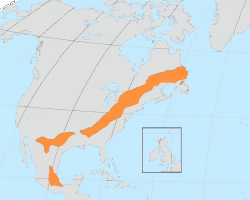
Stretching across vast stretches of North America, the Appalachian Mountains represent one of the most significant and ancient mountain systems on the planet. Spanning approximately 2,050 miles (3,300 km), this massive range begins in the Island of Newfoundland, Canada, and extends southwestward to Central Alabama in the United States. Remarkably, the range technically traverses three countries, as it crosses the archipelago of Saint Pierre and Miquelon, an overseas collectivity of France.
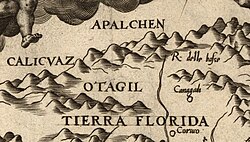
From the rugged peaks of the north to the rolling highlands of the south, the Appalachians offer a diverse tapestry of landscapes, ecosystems, and geological history that has shaped the continent for billions of years.
Key Facts
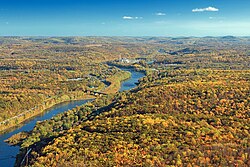
- Total Length: Approximately 2,050 miles (3,300 km).
- Highest Peak: Mount Mitchell, North Carolina, at 6,684 ft (2,037 m).
- Countries Involved: Canada, United States, and France (via Saint Pierre and Miquelon).
- Geological Age: Formed between 1.2 billion and 300 million years ago.
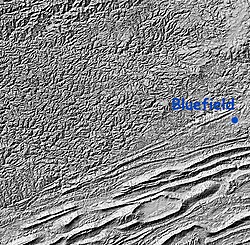
- Major Subranges: Blue Ridge, Valley and Ridge, Appalachian Plateau, and various Canadian uplands.
Geological Origins and Formation
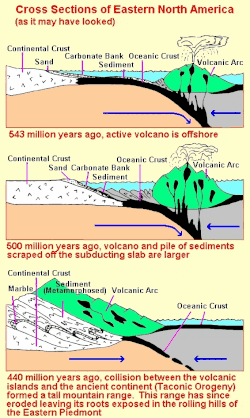
The story of the Appalachians is written in stone, spanning multiple orogenies—the geological processes of mountain building. The foundations were laid during the Grenville orogeny, which contributed land to the supercontinent Rodinia between 1.2 billion and 950 million years ago.
As the supercontinent Rodinia broke apart roughly 600 to 560 million years ago, the Iapetus Ocean formed. This period of continental rifting was marked by significant volcanic activity, which left lasting traces in the Blue Ridge Mountains. For example, peaks like Mount Rogers and Whitetop Mountain are products of this ancient volcanic era. The subsequent Taconic, Acadian, and Alleghenian orogenies further shaped and folded the range as the supercontinent Pangea was assembled.
![Paleogeographic reconstruction showing the Appalachian Basin area during the Middle Devonian period[34]](/images/59/cd/59cd3d603586ba957a06b031278d4e676b4f3bacf41d44fa4b6030e8b01c60c6.gif)
Mineral Wealth and Environmental Impact
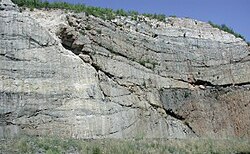
The geological complexity of the region has resulted in rich mineral deposits, most notably anthracite coal (a metamorphosed form found in northeastern Pennsylvania) and bituminous coal (found in sedimentary forms across West Virginia, Kentucky, and several other states). However, the extraction of these resources, particularly through mountain top removal mining, has significantly impacted the region's ecosystems. In response to these environmental challenges, legislative measures like the Surface Mining Control and Reclamation Act of 1977 were introduced to regulate and protect the landscape.
Geography and Physiographic Provinces
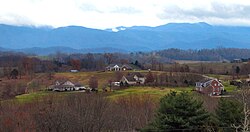
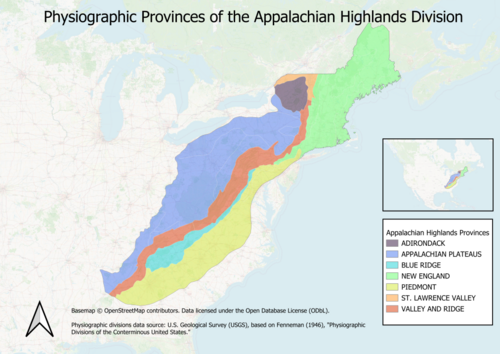
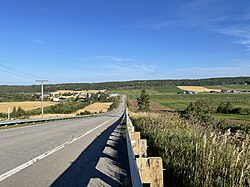
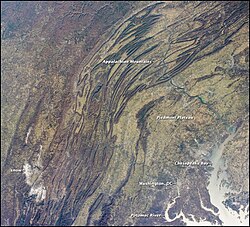
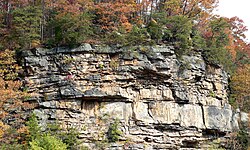
The Appalachian range is not a single uniform line of peaks but a complex collection of provinces and subranges. In the United States, these include the Piedmont, the Blue Ridge, the Valley and Ridge, and the Appalachian Plateau. In Canada, the range encompasses the Atlantic Uplands, the New Brunswick Highlands, and the Notre Dame Mountains.
The Northern Appalachians
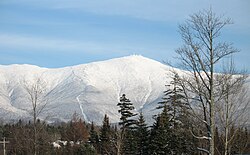
The northern section extends from Newfoundland to the Hudson River. This area includes the White Mountains of New Hampshire, home to the formidable Mount Washington, and the Green Mountains of Vermont. In Maine, the range features Mount Katahdin, while New York is characterized by the Adirondack Mountains.
The Southern Appalachians and the Blue Ridge
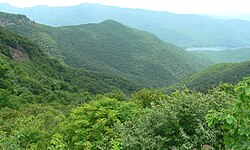
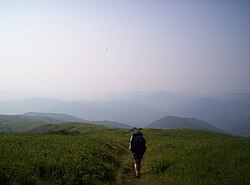
As the range moves south, it enters the Blue Ridge Mountains. In Virginia, this subrange includes notable peaks like Apple Orchard Mountain and the highest points in the Commonwealth, Mount Rogers. Further south, the range reaches its highest elevations. The Black Mountains in North Carolina house Mount Mitchell, the highest point in the United States east of the Mississippi River.
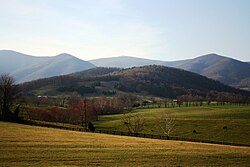
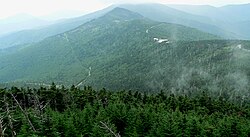
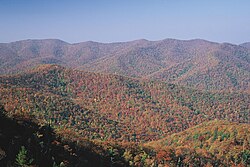
The southern section is defined by major crests such as the Unaka Front and the Eastern Front. This area is home to the Great Smoky Mountains, featuring iconic peaks like Kuwohi and Mount Le Conte. The landscape here is characterized by high-elevation ridges and lush, diverse forests.
Ecology: Flora and Fauna
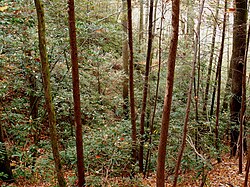
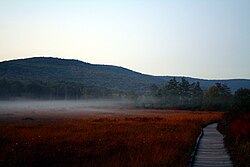
The varying elevations and latitudes of the Appalachians create unique microclimates that support a wide array of life. In the northern and high-elevation regions, the red spruce and black spruce are dominant conifers. In the southern Appalachians, a fragile and unique ecosystem exists: the Southern Appalachian spruce–fir forest, where the endemic Fraser fir thrives at high altitudes.
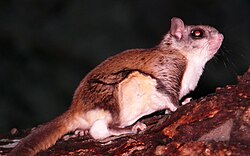
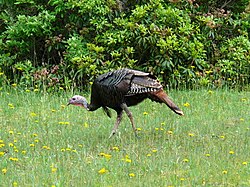
The fauna of the region is equally diverse. The mountains provide habitats for various species, ranging from the small southern flying squirrel to larger mammals and birds like the eastern wild turkey.
Summary of Major Appalachian Peaks by Region
| State/Province | Physiographic Area | Highest Peak | Elevation (ft) |
|---|---|---|---|
| North Carolina | Blue Ridge | Mount Mitchell | 6,684 |
| New Hampshire | New England | Mount Washington | 6,288 |
| Tennessee | Blue Ridge | Kuwohi | 6,643 |
| Maine | New England | Mount Katahdin | 5,269 |
| West Virginia | Appalachian Plateau | Spruce Knob | 4,863 |
| Quebec | Notre Dame Mountains | Mont Jacques-Cartier | 4,160 |
Frequently Asked Questions
What is the highest point in the Appalachian Mountains?
The highest peak is Mount Mitchell, located in Yancey County, North Carolina, with an elevation of 6,684 feet (2,037 meters).
How old are the Appalachian Mountains?
The mountains were formed through a series of geological events (orogenies) occurring between 1.2 billion and 300 million years ago.
Which countries do the Appalachians span?
The range spans the United States, Canada, and the French overseas collectivity of Saint Pierre and Miquelon.
What kind of trees are common in the high Appalachians?
High-elevation areas are often dominated by conifers, specifically red spruce, black spruce, and the endemic Fraser fir.
What are the major subranges of the Appalachians?
Major subranges include the Blue Ridge, the Valley and Ridge, the Appalachian Plateau, and the various highlands found in Canada.