Aphrodisiacs: The Science, History, and Types of Libido Enhancers
An aphrodisiac is any substance intended to increase libido, sexual desire, sexual attraction, sexual pleasure, or sexual behavior. These substances are incredibly diverse, ranging from common foods and spices to complex synthetic chemicals. While the concept of using substances to enhance intimacy is ancient, modern science seeks to categorize them by their specific mechanisms of action—whether they affect the mind or the body.
Aphrodisiacs can be broadly classified into two categories: psychological and physiological. Psychological aphrodisiacs, such as those containing hallucinogenic properties like bufotenin, work by altering mental states to increase desire and pleasure. Physiological aphrodisiacs, such as yohimbine, work by affecting physical processes, such as increasing blood flow or altering hormone concentrations.

Key Facts
- Aphrodisiacs can be natural (plants, animals, foods) or synthetic (chemicals).
- They are classified by effect type: psychological or physiological.
- Substances that decrease libido are known as anaphrodisiacs.
- Historical research has focused heavily on males, though recent studies examine female sexual function.
- Many reported aphrodisiac effects may be attributed to the placebo effect.
A Historical Perspective on Desire
The term "aphrodisiac" finds its roots in the Greek word aphrodisiakon, meaning "pertaining to Aphrodite," the Greek goddess of love. Throughout human history, various cultures have documented the use of substances to improve sexual performance and reproductive success.
In ancient civilizations, such as the Chinese, Indian, Egyptian, Roman, and Greek cultures, stimulants were often sought to combat erectile dysfunction and ensure the ability to father large families. Historical records include Hindu poems from 2000 to 1000 BCE and Chinese texts dating back to approximately 2600 BCE. In West Africa, the Timbuktu Manuscripts provided guidance on aphrodisiacs and infertility remedies, even offering tips for maximizing pleasure for both men and women.

Common Types of Aphrodisiacs
Natural and Plant-Based Substances
Many substances derived from nature have been used traditionally to influence sexual behavior:
- Yohimbine: An indole alkaloid found in the bark of West African yohim trees. It acts as an adrenoceptor antagonist and is used to increase blood flow, though it can cause side effects like anxiety and irregular heartbeats.
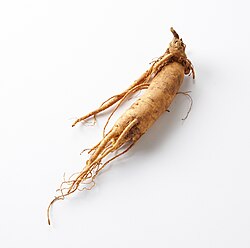
- Ginseng: A root from the genus Panax. It is processed into fresh, white, or red varieties, with red ginseng reported as the most effective.
- Horny Goat Weed: Known in Chinese folk medicine, this plant contains icariin, a flavanol glycoside.
- Cannabis: Reports on marijuana are mixed; some users report increased pleasure, while others report no effect.

Animal and Food-Based Sources
Humans have long looked to the animal kingdom and various foods for sexual enhancement:
- Ambergris: Found in the gut of sperm whales, it contains ambrein, which has shown the ability to increase testosterone in animal studies.
- Bufotenin: A compound found in the skin and glands of certain toads (genus Bufo).
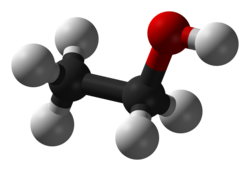
- Alcohol: As a central nervous system depressant, alcohol can cause disinhibition, which may increase sexual desire. However, excessive consumption is linked to sexual dysfunction.
- Foods: While many foods like oysters, chocolate, and tropical fruits (such as Borojó) are claimed to be aphrodisiacs, much of this is attributed to the placebo effect or cultural belief.
Synthetic and Chemical Substances
Modern science has identified various synthetic compounds that affect libido:
- Phenethylamines: Derivatives such as amphetamine and methamphetamine can increase libido and cause prolonged erections, though they can also lead to hypersexuality or reduced libido in some individuals.
- MDMA: Often used in social settings, users report increased sexual pleasure, though it can be associated with difficulties in reaching orgasm or erectile issues.
- Testosterone: In males, libido is closely linked to testosterone concentrations. While synthetic testosterone is used to treat low levels, long-term therapy carries cardiovascular risks.

Summary of Aphrodisiac Categories
| Category | Examples | Primary Mechanism/Effect |
|---|---|---|
| Plant-Based | Ginseng, Yohimbine, Horny Goat Weed | Hormonal changes or increased blood flow |
| Animal-Based | Ambergris, Bufotenin | Testosterone increase or physiological stimulation |
| Synthetic | MDMA, Phenethylamines | Neurological/Psychological enhancement |
| Food/Drink | Alcohol, Chocolate, Seafood | Disinhibition or placebo effect |
Frequently Asked Questions
What is the difference between an aphrodisiac and an anaphrodisiac?
An aphrodisiac is a substance that increases sexual desire or pleasure, whereas an anaphrodisiac is a substance that has the opposite effect, diminishing libido.
Do aphrodisiacs work through the mind or the body?
They can work through both. Psychological aphrodisiacs affect the mind (such as through hallucinogenic properties), while physiological aphrodisiacs affect the body (such as through blood flow or hormone levels).
Is there scientific proof that food can be an aphrodisiac?
While many foods are culturally celebrated as aphrodisiacs, significant scientific research is lacking. Many of these effects are believed to be the result of the placebo effect.
Are there risks associated with using aphrodisiacs?
Yes. Many substances carry risks, ranging from mild gastrointestinal upset (ginseng) to serious side effects like anxiety, irregular heartbeats (yohimbine), or cardiovascular disease (long-term synthetic testosterone use).
Why is there more research on male aphrodisiacs than female?
Historically, research has focused on males because many substances target testosterone. Additionally, cultural influences and a historical lack of attention to female sexuality have created a research gap.