Antwerp: Belgium's Global Hub of Trade, Diamonds, and Culture
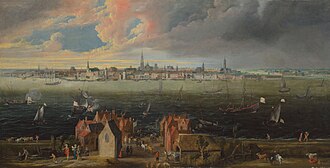
Antwerp, known in Dutch as Antwerpen and in French as Anvers, is a powerhouse of the Flanders region in Belgium. As the second-largest municipality in the country, it serves as a critical intersection of global commerce, historic architecture, and diverse cultural heritage. From its world-renowned port to its status as the diamond capital of the world, Antwerp blends a rich maritime legacy with a modern, cosmopolitan identity.
The city is characterized by its unique motto, "Atypisch Antwerpen" (Atypical Antwerp), reflecting a spirit of individuality and resilience that has seen it evolve from a medieval wharf into a global metropolis.

Key Facts
- Population: 565,039 (Municipality), with a metropolitan area of approximately 1,230,000.
- Global Standing: Home to one of Europe's largest ports and a primary global center for the diamond trade.
- Geography: Located in the province of Antwerp, Flanders, with an elevation of 8 meters.
- Governance: Led by Mayor Els van Doesburg.
- Diversity: A highly multicultural city with significant populations of Moroccan, Dutch, and Turkish origin.
History and Evolution
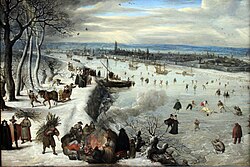
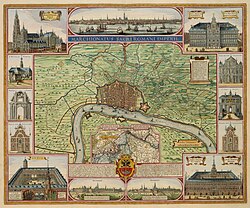
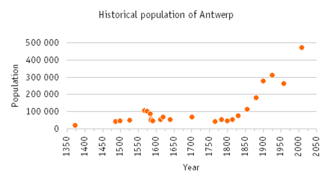
Antwerp's growth is inextricably linked to its location on the Scheldt river. The city's strategic importance began as early as the 10th century with the fortification of its wharf. By the 12th and 13th centuries, the city expanded its infrastructure with vlieten and ruien (small canals) to facilitate transport and drainage.
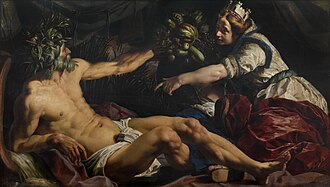
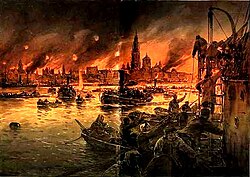
The 16th century marked a golden age for Antwerp, though it was also a period of intense conflict. The city faced the Reformation and the Dutch revolt, including the devastating Sack of Antwerp in 1576, which resulted in approximately 7,000 deaths. Despite these upheavals, the city remained a focal point for European trade and finance.
![Sack of Antwerp in 1576, in which about 7,000 people died[28]](/images/81/91/81914678820273f30368f66d54face5ed27f1159cf98fc9b36978506c87fcee2.jpg)
Throughout the 17th to 19th centuries, Antwerp continued to adapt. Its fortifications evolved from Spanish-era walls to the double ring of Brialmont forts in the 19th century. The 20th century brought further challenges, including the German bombardment of October 1914 during World War I, before the city transitioned into the modern industrial and cultural hub it is today.
City Structure and Demographics
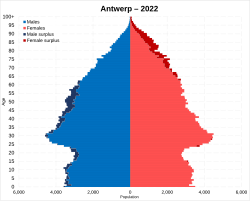
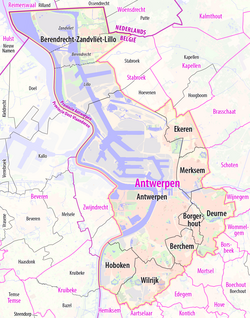
The municipality of Antwerp is divided into ten distinct districts, ranging from the densely populated inner city to the expansive industrial zones of the port.
| District | Surface (km²) | Inhabitants | Population Density (per km²) |
|---|---|---|---|
| Antwerp | 83.18 | 198,784 | 2,390 |
| Berchem | 5.70 | 43,325 | 7,603 |
| Berendrecht-Zandvliet-Lillo | 52.43 | 9,962 | 190 |
| Borgerhout | 3.90 | 46,424 | 11,904 |
| Deurne | 13.03 | 82,270 | 6,315 |
| Ekeren | 13.48 | 28,720 | 2,131 |
| Hoboken | 10.52 | 41,352 | 3,932 |
| Merksem | 8.42 | 45,929 | 5,457 |
| Wilrijk | 13.71 | 41,916 | 3,057 |
| Borsbeek | 3.90 | 10,949 | 2,800 |
Antwerp is a melting pot of ethnicities and religions. As of 2023, the population has become increasingly diverse, with Belgians of foreign background and non-Belgian residents making up a significant portion of the city. The largest foreign-origin groups include people from Morocco, the Netherlands, and Turkey.
Economy and Infrastructure
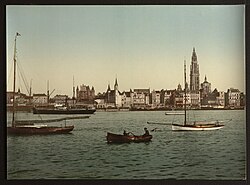
The economy of Antwerp is driven by two primary pillars: the port and the diamond trade. The Port of Antwerp is one of the largest in Europe, serving as a vital gateway for international shipping and logistics.
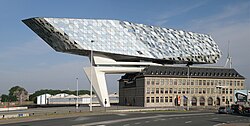
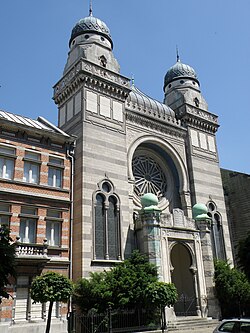
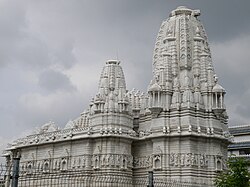
Equally famous is the diamond district, where the city serves as a global center for cutting and trading diamonds. This industry has historically been shaped by various communities, including Jewish and Indian traders, who have contributed to the city's economic prestige.
Transportation and Connectivity
Antwerp is highly connected via a comprehensive transport network:
- Rail: Centered around the iconic Antwerp Central Station.
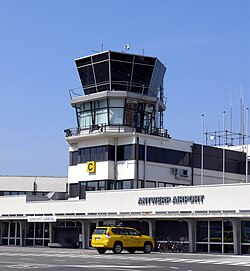
- Air: Served by Antwerp International Airport.
- Water: Extensive shipping lanes via the Scheldt.
Culture, Architecture, and Lifestyle
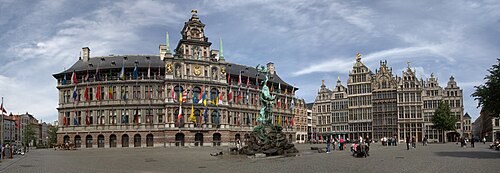
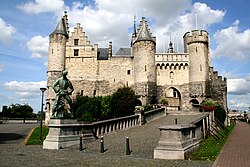
The city's architecture is a blend of the old and new. The Grote Markt features stunning 16th-century guildhalls, while the skyline is dominated by the Cathedral of Our Lady and the Boerentoren. Historic sites like Het Steen, the city's oldest building, stand as reminders of its fortified past.
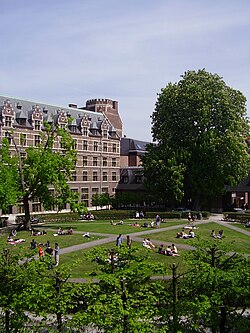
Antwerp is also a center for the arts and education. It is home to the University of Antwerp and various specialized museums, such as the Fotomuseum Antwerp (FOMU). The city's fashion scene is globally recognized, and its musical heritage is celebrated through venues like the Vlaamse Opera.
Climate
Antwerp experiences a temperate climate. On average, the warmest month is July, with a mean daily maximum of 23.6°C, while January is the coldest, with a mean daily maximum of 6.8°C. The city receives consistent precipitation throughout the year, totaling approximately 852.9 mm annually.
Frequently Asked Questions
![Bevrijdingsdok [nl] terminal at the Port of Antwerp](/images/c1/06/c1066c4e1d4e92bcbbb7fd1b874fdd0d0bf9d2c924beb69083980a02eff3eb24.jpg)
What is Antwerp most famous for?
Antwerp is most famous for its massive international port, which is one of the largest in Europe, and its global leadership in the diamond trade.
How many districts are in the municipality of Antwerp?
The municipality is divided into ten districts: Antwerp, Berchem, Berendrecht-Zandvliet-Lillo, Borgerhout, Borsbeek, Deurne, Ekeren, Hoboken, Merksem, and Wilrijk.
What is the significance of the Grote Markt?
The Grote Markt is the city's main square, renowned for its historic 16th-century guildhalls and its role as a central point of the city's architectural heritage.
Which countries have the largest immigrant populations in Antwerp?
Based on 2019 data, the largest populations of foreign origin come from Morocco, the Netherlands, and Turkey.
What is the motto of the city?
The official motto of Antwerp is "Atypisch Antwerpen," which translates to "Atypical Antwerp."