Antofagasta: The Mining Powerhouse and Pearl of the North
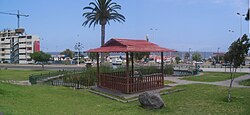
Known as La Perla del Norte (The Pearl of the North), Antofagasta is a vital port city located in northern Chile, approximately 1,100 kilometers north of the capital, Santiago. Serving as the capital of both the Antofagasta Province and the Antofagasta Region, it stands as the fifth-largest city in Chile with a population of 401,096 as of 2024.
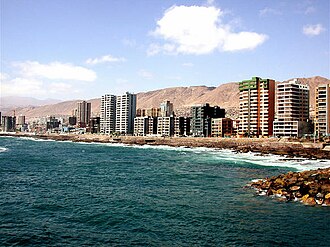
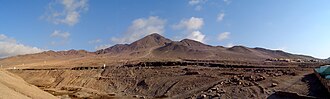
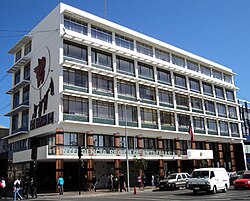
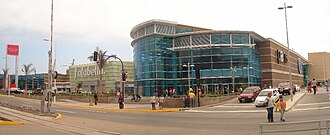
The city is defined by its stark contrast: a modern urban skyline set against the backdrop of the Atacama Desert, one of the most arid regions on Earth. Its strategic location has transformed it into a global hub for the extraction and export of minerals, making it a cornerstone of the Chilean economy.
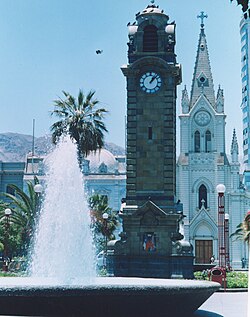
Key Facts
- Status: 5th largest city in Chile.
- Economic Driver: Global leader in copper and lithium production.
- Climate Record: Recognized as the world's driest town.
- Geography: Located on the coast of the Atacama Desert at an elevation of 40 meters.
- Demographics: High immigrant population, with 19.1% of residents born outside Chile.
Historical Evolution and the War of the Pacific
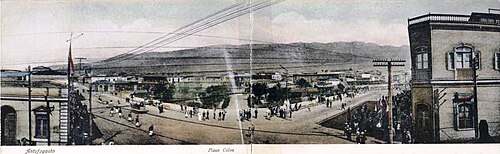
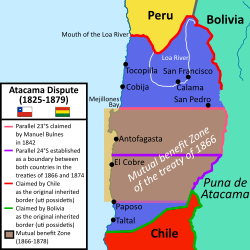
Antofagasta was settled on October 22, 1868, by José Santos Ossa. Its early history was marked by territorial disputes between Chile and Bolivia. The region's wealth in saltpeter (sodium nitrate) became a flashpoint for conflict in the late 19th century.
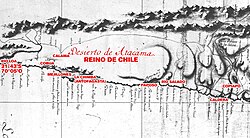
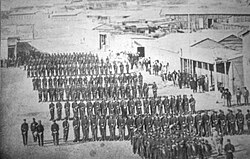
In 1874, Chile and Bolivia signed a border treaty agreeing not to impose new taxes on Chilean capital for 25 years. However, a dispute over a 10-cent tax imposed by Bolivia led to a diplomatic breakdown. This tension culminated in the Chilean occupation of Antofagasta on February 14, 1879, which triggered the War of the Pacific (1879–1883). Chilean sovereignty over the area was eventually formalized in the 1904 Treaty of Peace and Friendship.
Geography and the World's Driest Climate
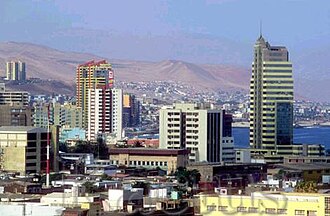
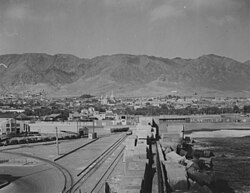
The city is situated in a region of extreme aridity. While the Atacama coast generally sees very low rainfall, the town of Antofagasta itself receives less than 0.1 mm of rain per year, earning it the title of the world's driest town.
Despite the lack of rain, the city's geomorphology makes it susceptible to rare but devastating mudflows and landslides when heavy sporadic rains do occur. Notable flood events were recorded in 1940 and 1991.
Natural Landmarks
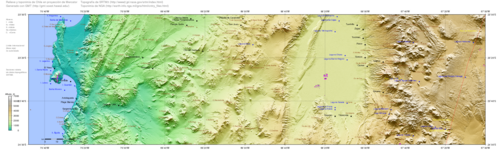
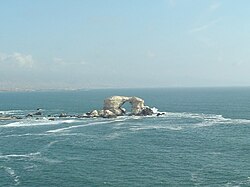
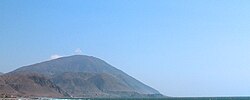
The surrounding landscape is characterized by dramatic topographic relief and unique natural monuments. One of the most iconic is La Portada, a natural stone arch that stands as a symbol of the city's rugged coastline.
Economic Engine: Mining and Trade
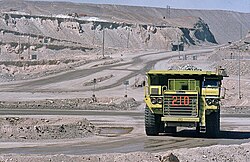
Antofagasta is the primary service hub for Chile's mining sector. While silver and saltpeter were historically dominant, copper mining has been the primary economic driver since the mid-19th century. In recent years, the city has also become a critical hub for lithium mining, a metal essential for the global energy transition.
The city's economic strength is reflected in its GDP; in 2012, it boasted the highest GDP per capita in Chile at US$37,000. This wealth supports a robust retail, construction, and hotel sector.
Trade and Infrastructure
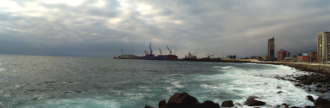
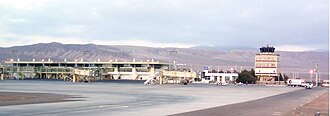
The port of Antofagasta is a massive complex consisting of seven docks and two terminals. It is capable of handling 5,000,000 tons of cargo, serving both commercial interests and the cruise tourism industry.
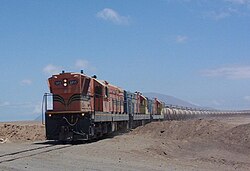
Transportation is further supported by the FCAB (Ferrocarril de Antofagasta a Bolivia), a 900-kilometer rail network that transports copper cathodes and sulfuric acid, connecting Chile with Bolivia and Argentina.
Culture and Demographics
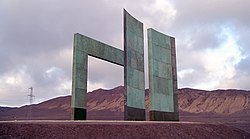
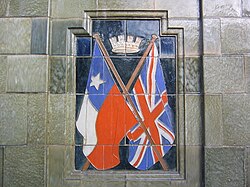
Antofagasta is a multicultural city. A significant portion of its population is composed of immigrants, particularly from South America. The city also maintains strong ties to the British and Japanese communities, evidenced by local monuments and the Japanese Park.
| Category | Detail |
|---|---|
| Population (2024) | 401,096 |
| GDP per capita (2023) | $28,100 (PPP) |
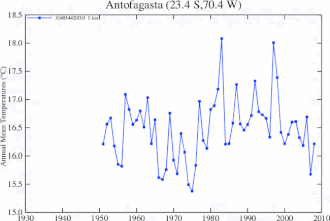
| Average Annual Temp | 16.8 °C |
| Annual Rainfall | < 0.1 mm |
| Primary Industries | Copper, Lithium, Port Logistics |
Frequently Asked Questions
Why is Antofagasta called the world's driest town?
Antofagasta receives an annual average of less than 0.1 mm of rainfall per year due to its location in the Atacama Desert, making it one of the most arid inhabited places on Earth.
What is the primary economic activity in Antofagasta?
Mining is the main economic generator, specifically the extraction and export of copper and lithium, supported by the city's extensive port and rail infrastructure.
How did the War of the Pacific affect the city?
The city was captured by Chile on February 14, 1879, after a dispute with Bolivia over saltpeter taxes. This event triggered the War of the Pacific, and the city eventually became part of Chilean territory under the 1904 Treaty of Peace and Friendship.
What is La Portada?
La Portada is a Natural Monument consisting of a massive natural stone arch on the coast, serving as one of the most recognizable landmarks of the region.
Is Antofagasta a multicultural city?
Yes, immigrants make up 19.1% of the population, with a strong presence of South Americans, as well as historical contributions from British and Japanese communities.