Antisemitism in the United States: A Historical and Contemporary Overview
Antisemitism in the United States is a complex phenomenon that has persisted since the colonial era. While the American experience has often differed from the systemic, state-sponsored violence seen in Europe, Jewish Americans have faced enduring periods of hostility. This prejudice has evolved from early religious discrimination into systemic social and economic exclusion, reflecting broader trends in American nativism and racial theory.
Key Facts
- Evolution: Shifted from religious-based discrimination in the colonial era to systemic social and economic exclusion in the 19th and 20th centuries.
- Peak Periods: Hostility peaked during the late 19th and early 20th centuries, coinciding with the rise of nativism.
- Systemic Barriers: Historically included restrictive quotas in higher education and exclusion from private clubs and housing.
- Modern Trends: A documented resurgence in hate crimes and rhetoric has occurred in the 21st century.
- Recent Data: The FBI reported a record-high 1,832 anti-Jewish hate crimes in 2023, a 63% increase from 2022.
The Rise of Systemic Discrimination (19th to Early 20th Century)
During the late 1800s and early 1900s, antisemitism became deeply intertwined with nativism—the policy of protecting the interests of native-born inhabitants against those of immigrants. As Eastern European Jewish immigration increased, so did the propagation of harmful tropes in the media.
This era was characterized by the use of caricatures and political cartoons to paint Jewish people as malevolent forces controlling global finance or undermining American values. These tropes were often used to fuel populist anger and justify social exclusion.
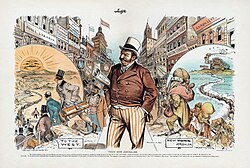
The discrimination was not limited to social circles; it extended into the professional and academic spheres. Many elite universities implemented restrictive quotas to limit the number of Jewish students, while private clubs and housing markets frequently barred Jewish individuals entirely.
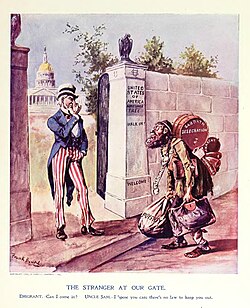
Political and Media Influence
By the late 19th century, antisemitic imagery appeared in publications like "Sound Money" magazine, which portrayed Jewish figures as "Wall Street Pirates" exploiting the American public. This period saw the weaponization of economic anxiety to target the Jewish diaspora.
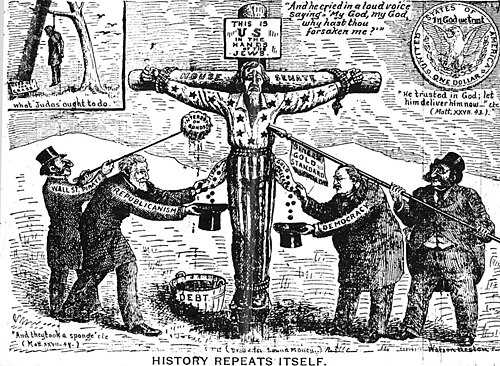
The Interwar Period and the Influence of Prominent Figures
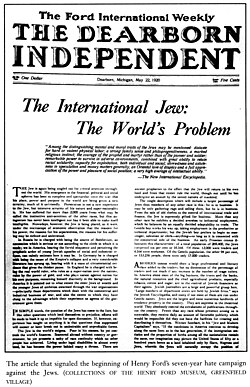
The early 20th century saw a shift toward more organized and publicized antisemitism. One of the most influential figures in this movement was Henry Ford, who used his platform and publication, The Dearborn Independent, to spread widespread antisemitic conspiracy theories.
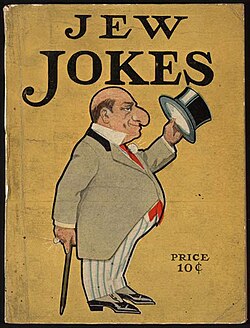
In the 1930s, Father Charles Coughlin, a radio priest, further amplified these sentiments to a mass audience. Simultaneously, groups like the German American Bund and the America First Committee reflected a climate of isolationism and prejudice that complicated the U.S. government's response to the refugees fleeing Nazi Germany, exemplified by the tragic turning away of the SS St. Louis.
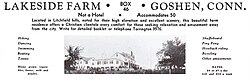
Social exclusion remained common during this time, with some businesses and lodging facilities explicitly catering only to "Christian clientele" to exclude Jews.
Antisemitism in the 21st Century
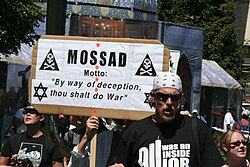
Following World War II and the horrors of the Holocaust, public antisemitism generally declined. However, the 21st century has witnessed a resurgence. This "new antisemitism" often manifests as a blend of traditional tropes and reactions to geopolitical conflicts, particularly the war in Gaza and tensions surrounding the state of Israel.
Modern incidents range from online harassment and conspiracy theories (such as those promoted by QAnon) to violent hate crimes. Recent years have seen a rise in antisemitic rhetoric within political campaigns and on social media platforms like X (formerly Twitter).
Distribution of Modern Antisemitic Incidents
Data indicates that antisemitic incidents occur across a variety of settings, with public areas being the most frequent site of occurrence.
| Location Type | Percentage of Incidents |
|---|---|
| Public area | 35.0% |
| Private residence | 22.0% |
| Non-Jewish School | 12.0% |
| Private Building / Area | 12.0% |
| Jewish Institution / School | 11.0% |
| College Campus | 7.0% |
| Cemetery | 1.0% |
Frequently Asked Questions
How did antisemitism in the U.S. differ from that in Europe?
While European antisemitism was often characterized by endemic, state-sponsored violence and pogroms, American antisemitism historically manifested more as systemic social and economic exclusion, such as housing restrictions and university quotas, though violent incidents have occurred.
Who were some of the most influential promoters of antisemitism in U.S. history?
Henry Ford used The Dearborn Independent to spread conspiracy theories, and Father Charles Coughlin used his massive radio following in the 1930s to propagate antisemitic rhetoric.
What are the current trends in antisemitic hate crimes in the U.S.?
There has been a significant recent increase. In 2023, the FBI reported 1,832 anti-Jewish hate crimes, marking a 63% increase from the previous year. Public areas remain the most common site for these incidents.
How has the 21st century impacted antisemitism on college campuses?
College campuses have become flashpoints for antisemitism, often linked to reactions to the Israel-Hamas war and debates over Diversity, Equity, and Inclusion (DEI) programming, which some argue has failed to protect Jewish students.