Algae Eaters: Essential Species for Freshwater and Saltwater Aquariums
An algivore, commonly known as an algae eater, is any bottom-dwelling or filter-feeding aquatic animal that specializes in consuming algae and phytoplanktons (microscopic photosynthetic organisms). These creatures play a vital role in the natural world as primary consumers, transferring biomass and energy from photosynthetic autotrophes—organisms that produce their own food—up through the food web. By doing so, they protect aquatic ecosystems from damaging algae blooms.
For aquarium hobbyists, algae eaters are indispensable tools for improving water quality and maintaining the aesthetic appeal of a tank by controlling unwanted plant growth.
Key Facts
- Ecological Role: Algivores prevent algae blooms and relay energy from primary producers to higher trophic levels.
- Freshwater Specialists: Loricariid catfish, Siamese algae eaters, and Amano shrimp are highly valued for freshwater tanks.
- Saltwater Specialists: Tangs, blennies, and sea urchins are primary controllers of marine algae.
- Specialized Diets: Some species, like the Siamese algae eater and American-flag fish, can consume difficult "black brush algae."
- Diverse Taxa: Algae eaters include not just fish, but also shrimp, snails, crabs, and sea urchins.
Freshwater Algae Eaters
Algivorous Fish
Freshwater tanks benefit from a variety of fish that graze on biofilm and algae. Loricariid catfish from South America, including the genera Otocinclus, Ancistrus, and Plecostomus, are constant grazers. However, it is important to note that some "plecos" may eat less frequently as they exceed 10 inches in adult length.
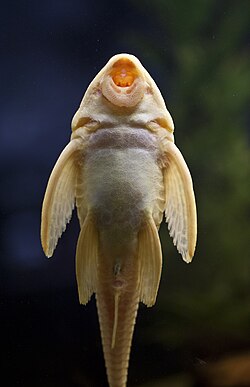
The Siamese algae eater (Crossocheilus oblongus) is a gregarious cyprinid reaching up to 15 cm (5.9 in). It is particularly prized for its ability to graze on black brush algae (freshwater Rhodophyta), though it may prefer other food sources if available. Similarly, the American-flag fish (Jordanella floridae) consumes black brush algae, diatoms, and hair algae, though males can be territorial and nippy toward smaller fish.
Other notable freshwater fish include the Chinese algae eater (Gyrinocheilus aymonieri), which can become territorial with age, and various carps such as the Silver, Bighead, and Grass carp.
Shrimp and Snails
Invertebrates are often more efficient at cleaning tight spaces. Many shrimp from the family Atyidae, specifically the Amano shrimp (Caridina), are renowned for their cleaning abilities. Other popular choices include the cherry shrimp (Neocaridina davidi) and grass shrimp (Palaemonetes).
Most freshwater snails are effective algivores, with the exception of adult Ampullariidae, which primarily eat aquatic plants. Useful genera include those within the Bellamyinae, Lioplacinae, and Viviparinae groups.
Saltwater Algae Eaters
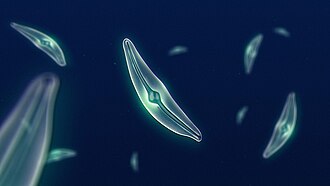
Marine environments host a diverse array of species that target red slime algae, green film algae, hair algae, diatoms, cyanobacteria, and microalgae.
Marine Fish
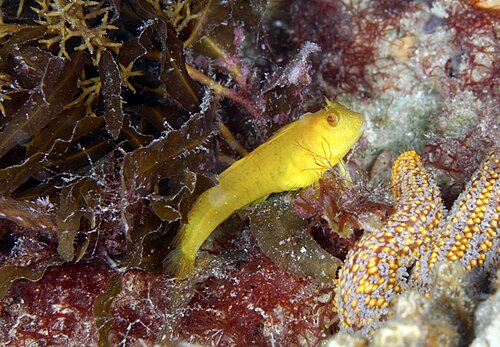
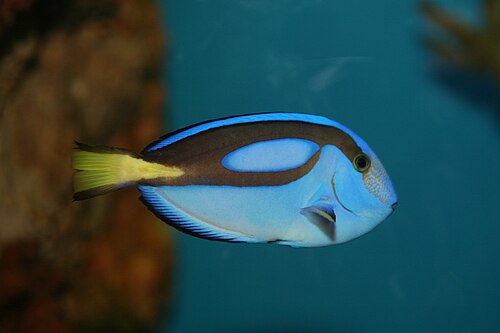
Tangs and blennies are the primary fish used for algae control in saltwater tanks. Blennies, such as the Leopard, Sailfin, and Seaweed Blenny, are active grazers.
Tangs are equally essential for maintaining reef health by consuming various types of film and hair algae.
Invertebrates: Crabs, Urchins, and Snails
Crabs, including various hermit crabs (such as the Electric Blue and Halloween Hermit Crab) and the Arrow Crab, feed on diatoms and cyanobacteria. Sea urchins are perhaps the most powerful marine algivores; they consume everything from macroalgae to kelp and even Coralline algae. In the wild, they can control the entire composition of kelp forests.
Saltwater snails, including the Zebra Turbo, Trochus, and Cerith snails, are excellent for removing detritus and brown film algae.
Comparison of Common Algae Eaters
| Environment | Fish Species | Invertebrates | Primary Algae Target |
|---|---|---|---|
| Freshwater | Plecostomus, Siamese Algae Eater | Amano Shrimp, Nerite Snails | Biofilm, Black Brush Algae |
| Saltwater | Tangs, Blennies | Sea Urchins, Hermit Crabs | Hair Algae, Coralline Algae, Diatoms |
Frequently Asked Questions
Which fish can eat black brush algae?
The Siamese algae eater (Crossocheilus oblongus) and the American-flag fish (Jordanella floridae) are among the few species known to graze on black brush algae.
Do all sea urchins eat algae?
Yes, all species of sea urchins eat algae. They can consume a wide range of sizes, from small macroalgae to large kelp, and some even eat Coralline algae.
Are all freshwater snails suitable for algae control?
Most are, but adult specimens of the family Ampullariidae are generally not recommended for this purpose as they primarily subsist on aquatic plants.
What is the difference between a Plecostomus and a Siamese algae eater?
Plecostomus are Loricariid catfish that often use suction-cup mouths to scrape surfaces, while Siamese algae eaters are cyprinids that are generally more gregarious and can target specific algae like black brush algae.
Which saltwater invertebrates are best for cleaning a reef tank?
Sea urchins, hermit crabs, and various snails (such as Turbo and Trochus snails) are highly effective at removing film algae, diatoms, and detritus.