Airships: The Evolution of Lighter-Than-Air Flight
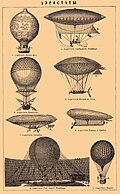
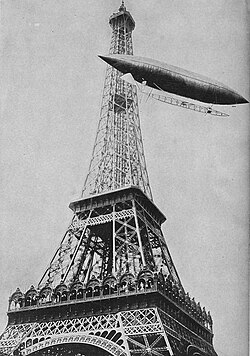
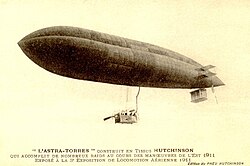
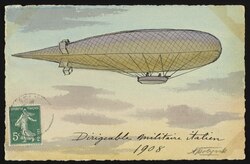
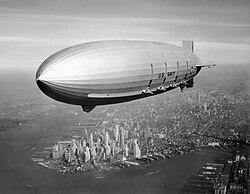
An airship, also known as a dirigible, is a specialized type of aerostat—a lighter-than-air aircraft capable of navigating the skies under its own power. Unlike free-floating balloons, airships use a combination of buoyancy and propulsion to steer and maintain course. This buoyancy is achieved through a lifting gas that is less dense than the surrounding atmosphere, allowing the craft to remain airborne.
Historically, the choice of lifting gas has defined the safety and viability of these vessels. Early dirigibles relied on hydrogen due to its high lifting capacity and availability, though its extreme flammability led to catastrophic accidents. In contrast, helium is non-flammable but rarer and more expensive. While helium was primarily available in North America for a significant period, it has become the standard for most airships built since the 1960s, alongside the use of hot air in some designs.
Key Facts

- Buoyancy: Airships stay aloft using lifting gases (hydrogen, helium, or hot air) that are lighter than air.
- Structure: They consist of a large envelope for gas and a gondola for crew, engines, and payload.
- Types: Classified as rigid, semi-rigid, or non-rigid (blimps) based on their internal structure.
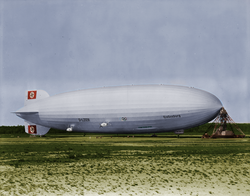
- Historical Peak: The LZ 129 Hindenburg was one of the largest ever built, measuring 245 meters in length.
- Modern Use: Current projects focus on humanitarian aid, cargo transport, and sustainable aviation.
Anatomy of an Airship
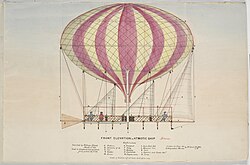
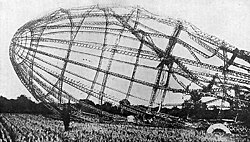
The primary component of an airship is the envelope, the large outer shell that holds the lifting gas. Depending on the design, the envelope may be the gasbag itself or a structural skin containing multiple gas-filled cells.
To maintain internal pressure and shape, some airships use a ballonet—an air-filled bag inside the outer envelope that can be inflated or deflated to compensate for changes in gas volume as the ship changes altitude.

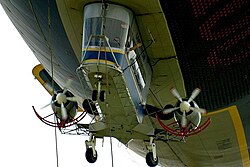
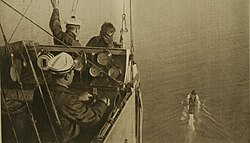
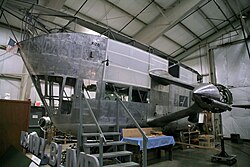
The operational heart of the craft is the gondola, an enclosed platform suspended beneath the envelope. This area houses the crew, engines, fuel systems, and payload. For steering and stability, airships utilize an empennage, which consists of fins and rudders to control the direction of flight.
Structural Classifications
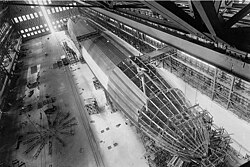
- Rigid: Features a full internal framework that maintains the ship's shape regardless of the gas pressure.
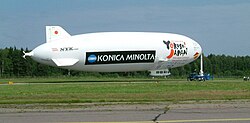
- Semi-rigid: Uses a partial rigid keel to support the gondola and provide structural integrity.
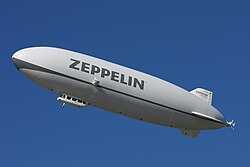
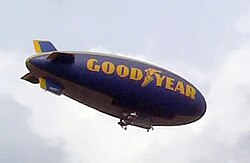
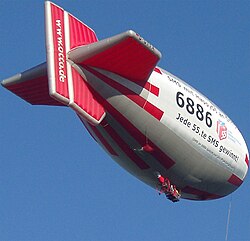
- Non-rigid (Blimps): Maintains its shape entirely through the internal pressure of the lifting gas.
The History of Lighter-Than-Air Flight
Early Pioneers and 19th Century Experiments
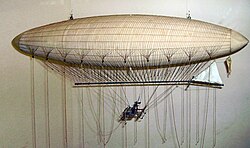
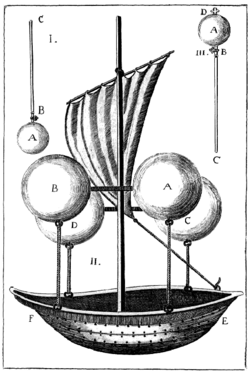
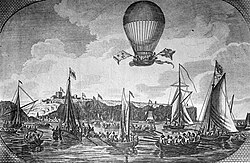
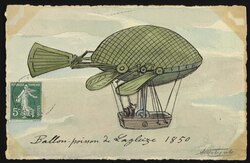
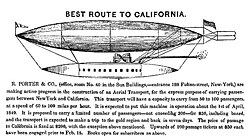
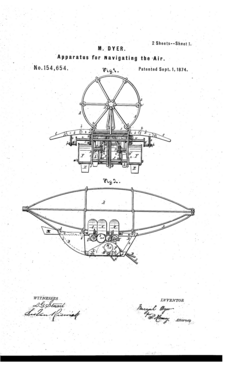
The dream of navigable flight dates back centuries, with early conceptual designs like Francesco Lana de Terzi's 1670 Aerial Ship. By the late 18th century, pioneers like Blanchard were crossing the English Channel. In the 19th century, inventors such as Ferdinand Lagleize and Henri Dupuy de Lôme developed navigable balloons, while Rufus Porter and others experimented with early airship designs.
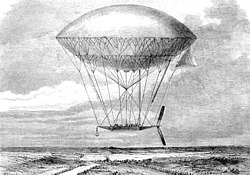
Between 1897 and 1899, Konstantin Danilewsky built four muscle-powered airships in Kharkov, completing approximately 200 ascents without significant incident.
The Rise of the Zeppelins and World War I
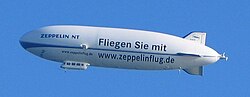
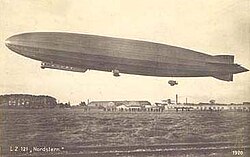
The early 20th century saw the emergence of the Zeppelin, founded by Count Zeppelin. While Britain developed its own dirigibles, such as the Nulli Secundus and the ill-fated Mayfly, Germany became the leader in rigid airship technology.
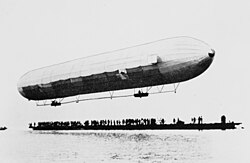
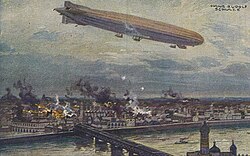
During World War I, Zeppelins were used for bombing raids, including attacks on Warsaw in 1914. The British responded with sound detection, searchlights, and night fighters. A pivotal moment occurred on July 19, 1918, when Sopwith Camels launched from the HMS Furious destroyed Zeppelins L 54 and L 60 at Tønder, marking the first successful carrier-based air strike in history.
The Interwar Period and the Golden Age
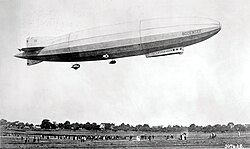
Following the Treaty of Versailles, Germany faced restrictions on airship capacity. However, the era produced legendary craft like the Graf Zeppelin (LZ 127). This ship achieved a remarkable safety record, flying over 1.6 million kilometers—including the first circumnavigation of the globe—without a single passenger injury. It utilized "blau gas" (similar to propane) as fuel to avoid weight changes during flight.
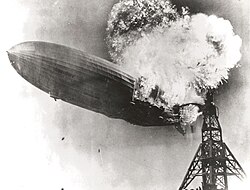
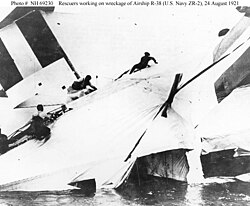
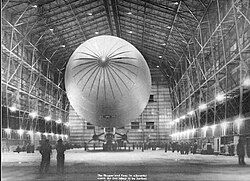
The period also saw the construction of the LZ 129 Hindenburg and its sister ship, the LZ 130 Graf Zeppelin II. These were the largest airships ever built. However, the era of the great rigid airships effectively ended with the Hindenburg disaster on May 6, 1937.
World War II and the Blimp Era
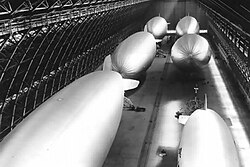
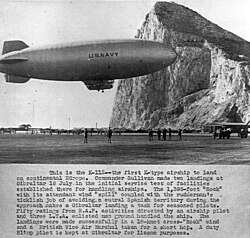
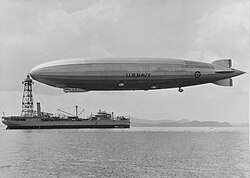
During World War II, the United States shifted focus toward non-rigid airships (blimps) for anti-submarine warfare. Produced largely by the Goodyear factory in Ohio, 154 airships were built for the U.S. Navy. These blimps were incredibly effective; of over 70,000 ships in convoys protected by blimps, only one was sunk by a submarine while under escort.
Modern Airships and Future Horizons
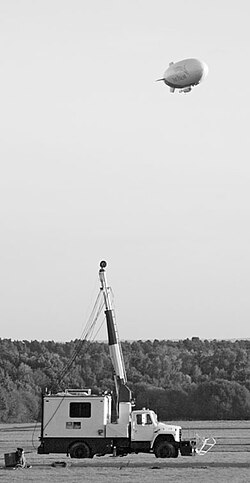
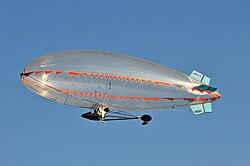
In the modern era, airships have transitioned from passenger transport to specialized roles. Current designs include thermal airships, unmanned remote craft, and hybrid models. A notable recent development is LTA Research, founded by Sergey Brin in 2015, which focuses on humanitarian and cargo transport. Their 124-meter-long Pathfinder 1 received FAA airworthiness certification in September 2023.
Comparison of Performance
Airship altitude is limited by the amount of lifting gas that can be lost through expansion. The rigid airship record was set in 1917 by the L-55 at 7,300 meters, though this was an impractical level for commercial use. For comparison, the Graf Zeppelin reached a maximum of 1,700 meters during its global flight.

| Type | Structural Support | Primary Use Case | Example |
|---|---|---|---|
| Rigid | Internal Framework | Long-distance transport / Military | LZ 129 Hindenburg |
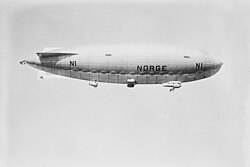
| Semi-rigid | Rigid Keel | Exploration / Specialized transport | Norge |
| Non-rigid | Gas Pressure Only | Patrol / Advertising / Surveillance | Goodyear Blimps |
| Hybrid | Mixed Lift (Aerostatic/Aerodynamic) | Cargo / Humanitarian Aid | Pathfinder 1 |
Frequently Asked Questions

What is the difference between a blimp and a Zeppelin?
A blimp is a non-rigid airship that maintains its shape through internal gas pressure. A Zeppelin is a rigid airship that uses an internal structural framework to maintain its shape.
Why did airships stop using hydrogen?
Hydrogen is highly flammable, which led to several fatal accidents. This made hydrogen-filled airships obsolete in favor of helium, which is non-flammable.
How do airships control their altitude?
Airships manage altitude by adjusting the volume of lifting gas or by using ballonets—internal air bags that can be inflated or deflated to maintain the envelope's pressure and shape.
Are airships still used today?
Yes, though they are no longer used for mass passenger travel. They are currently used for advertising, surveillance, and emerging projects in humanitarian and heavy-cargo transport.
What was the largest airship ever built?
The LZ 129 Hindenburg and the LZ 130 Graf Zeppelin II were the largest, with the Hindenburg measuring 245 meters in length and 41 meters in diameter.