Adultery: Historical, Religious, and Legal Perspectives
Adultery is generally defined as extramarital sex that is considered objectionable on social, religious, or moral grounds. While the specific sexual activities described as adultery can vary, the concept is a recurring theme across many cultures and shares significant similarities within the traditions of Judaism, Christianity, and Islam. Historically, many societies have viewed adultery as an offense to public morals and a direct threat to the stability of the marital relationship.

Key Facts

- Adultery is a concept found across many diverse cultures and major world religions.
- Historically, penalties for adultery have included capital punishment, mutilation, or torture.
- In many modern Western jurisdictions, adultery laws have been repealed or decriminalized.
- Even where not criminal, adultery can impact civil matters like divorce, child custody, and alimony.
- Religious traditions such as Islam, Christianity, and Judaism have specific doctrines regarding extramarital sex.
Historical and Legal Evolution

Throughout history, many cultures treated adultery as a serious crime and a sin. Punishments were often severe and frequently applied disproportionately to women, though men were also subject to penalties. These consequences ranged from physical mutilation to death.

In the 19th century, most direct criminal penalties for adultery began to fall out of favor in many Western countries. By the 20th century, the legality of adultery became increasingly controversial, leading most Western nations to repeal such laws. However, in jurisdictions where adultery remains a criminal offense, punishments can still include fines, caning, or even capital punishment.

Civil and Family Law Consequences
Even in regions where adultery is no longer a crime, it can still carry significant legal weight in civil court. In jurisdictions that utilize fault-based divorce laws—where the reason for the marriage breakdown is legally relevant—adultery often serves as a primary ground for divorce. It may also influence decisions regarding child custody and the distribution of property or alimony in both fault-based and no-fault divorce systems.
![Anne Boleyn was found guilty of adultery and treason and executed in 1536. There is controversy among historians as to whether she had actually committed adultery.[28]](/images/b8/18/b818af102ccc67fe04409eb8be45e5f78e494a99439f895b4dc3e2f06f7fec61.jpg)
Religious and Cultural Traditions
The concept of adultery is deeply embedded in the world's major religious frameworks. The Abrahamic religions—Judaism, Christianity, and Islam—share commonalities in how they define and prohibit extramarital sex.

Abrahamic Religions
In Judaism, biblical sources and the Talmud provide extensive frameworks regarding adultery and its implications for marriage and lineage. Similarly, Christianity views adultery through the lens of moral commandments, often referencing the sanctity of the marriage bond.

In Islam, Qur'anic verses prohibit adultery, and in some countries where Sharia law is applied, it remains a criminal matter with various prescribed punishments. The legal and social consequences in these contexts can be severe, ranging from flogging to stoning.
Eastern Religions and Other Practices
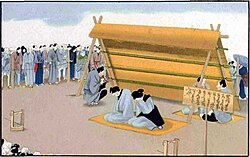
Eastern traditions, including Hinduism and Buddhism, also contain teachings regarding sexual morality and the consequences of breaking social or spiritual vows. Historical practices across the globe have varied wildly, from the stoning of adulterers in Aztec culture to specific public exposures in other regions.


Societal Impacts and Controversies
The study of adultery involves complex social issues, including the impact on family structures, the prevalence of sexually transmitted infections, and the potential for violence. In some cultures, the concept of "honor" has led to extreme forms of violence, such as honor killings, following accusations of infidelity.

Furthermore, adultery has long been a subject of fascination and critique in literature, exploring the emotional and social fallout of broken vows. From classical depictions to modern novels, the theme remains a powerful tool for examining human nature and social norms.

Summary of Adultery Contexts
| Context | Common Viewpoint | Potential Consequences |
|---|---|---|
| Historical/Traditional | Serious crime and sin | Mutilation, torture, or death |
| Modern Western Law | Primarily a civil/family matter | Divorce, alimony, or property settlement |
| Some Religious Jurisdictions | Criminal offense under religious law | Fines, caning, or capital punishment |
| Literature/Fiction | Theme of moral or social conflict | Narrative exploration of character and society |
Frequently Asked Questions
Is adultery still a crime in most Western countries?
No, most Western countries have repealed adultery laws, moving the issue from the criminal justice system to the realm of civil law and family matters.
How can adultery affect a divorce settlement?
In fault-based divorce jurisdictions, adultery can be a ground for divorce. Even in no-fault jurisdictions, it may be considered during discussions regarding alimony or the division of property.
What is the difference between adultery and infidelity?
While often used interchangeably, adultery is a specific term often tied to legal or religious definitions regarding marriage, whereas infidelity is a broader term for being unfaithful to a partner.
Can adultery affect child custody?
Yes, in some jurisdictions, evidence of adultery may be taken into account when determining child custody, depending on how the conduct is perceived to affect the child's welfare.
Why has the punishment for adultery changed over time?
Societal views on morality, human rights, and the role of the state have evolved, leading many modern societies to decriminalize private sexual conduct and focus on civil remedies instead of corporal or capital punishment.