ABC: A Comprehensive Overview of Australia's National Broadcaster
The Australian Broadcasting Corporation, commonly known as the ABC, stands as Australia's premier public service broadcaster. Since its inception, it has played a fundamental role in shaping the nation's media landscape, providing news, entertainment, and educational content to audiences both within Australia and across the globe.
Founded on 1 July 1932 by the Lyons government, the organization originally operated as the Australian Broadcasting Commission. It transitioned to its current status as a corporation following the Australian Broadcasting Corporation Act 1983. Today, it remains a government-owned entity dedicated to serving the public interest.

Key Facts
- Founded: 1 July 1932
- Type: Public service broadcaster
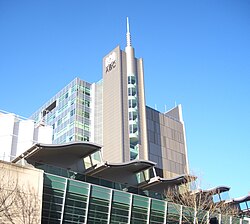
- Headquarters: Ultimo, Sydney, Australia
- Owner: Australian Government
- Operating Income (2024): $100.3 billion
- Number of Employees (2024): 4,682
Organizational Structure and Services
The ABC operates through several specialized divisions to ensure a diverse range of content reaches its audience. These divisions include ABC News, ABC Radio, ABC Television, ABC Sport, ABC Music, and ABC Commercial.
Television and Radio Networks
The broadcaster maintains a significant physical and digital presence. Its television services consist of five national channels, with transmission hubs located in major cities including Sydney (ABN), Melbourne (ABV), Brisbane (ABQ), Adelaide (ABS), Perth (ABW), Hobart (ABT), Canberra (ABC), and Darwin (ABD).
In the realm of audio, the ABC provides extensive radio coverage. Additionally, the organization supports several prestigious musical institutions, including the Adelaide, Melbourne, Queensland, Sydney, Tasmanian, and West Australian Symphony Orchestras.

Digital and International Reach
To adapt to the modern era, the ABC operates two free streaming services and maintains an international presence. Its digital evolution includes the ABC listen audio app, designed to streamline access to its vast radio archives and live broadcasts.

Governance and Leadership
The ABC is guided by a Board of Directors responsible for its strategic direction. As of 2024, key leadership roles include Chairman Kim Williams and Managing Director Hugh Marks (with his term beginning in March 2025). The board also includes staff-elected directors and various specialized members to ensure diverse perspectives in governance.
| Category | Details |
|---|---|
| Headquarters Address | 700 Harris Street, Ultimo, Sydney |
| Operating Income | $100.3 billion |
| Net Income | –$2.2 billion |
| Primary Divisions | News, Radio, Television, Sport, Music, Commercial |
Historical Context and Funding
The history of the ABC is marked by significant shifts in how it is funded and perceived. In the 1974–75 Budget, Frank Crean proposed that public broadcasting should be funded through the taxation system rather than a license fee, arguing that the latter disproportionately targeted less affluent citizens.
![Frank Crean used the 1974–75 Budget to proclaim that public broadcasting should be funded by the taxation system, not by a license fee which targeted the less affluent disproportionately.[116]](/images/83/1e/831ededa45cc6856071d83bc20f716c9080b91ef0489db45cbe45cde6de98770.jpg)
The current visual identity of the ABC features a Lissajous figure on an oscilloscope, a design created by Bill Kennard that has been used since 2018.

Frequently Asked Questions
What is the primary role of the ABC?
The ABC is a public service broadcaster owned by the Australian Government, tasked with providing news, information, and entertainment to the Australian public.
Where is the ABC headquartered?
The national headquarters is located at the Ultimo Centre at 700 Harris Street, Ultimo, Sydney.
How is the ABC funded?
The ABC receives funding from the Australian Government, though historical debates have occurred regarding the use of taxation versus license fees.
Does the ABC provide musical services?
Yes, the ABC supports several major orchestras, including the Sydney Symphony Orchestra and the Melbourne Symphony Orchestra, among others.
What are the main divisions of the ABC?
The main divisions are ABC News, ABC Radio, ABC Television, ABC Sport, ABC Music, and ABC Commercial.