2013 FIFA Confederations Cup: Brazil's Dominant Triumph
The 2013 FIFA Confederations Cup served as a high-stakes prelude to the 2014 FIFA World Cup, bringing together the world's elite football nations in Brazil. Held from June 15 to June 30, 2013, the tournament showcased the reigning champions of six continental confederations, alongside the host nation and a special qualifier.
The event was marked by high-scoring matches and significant technological advancements in officiating. Former FIFA president Sepp Blatter described this edition as the best version of the tournament ever played, highlighting the quality of play and the atmosphere across the host cities.
Key Facts
- Champion: Brazil (their 4th title and 3rd consecutive win).
- Final Score: Brazil 3–0 Spain.
- Top Scorers: Fred and Fernando Torres (5 goals each).
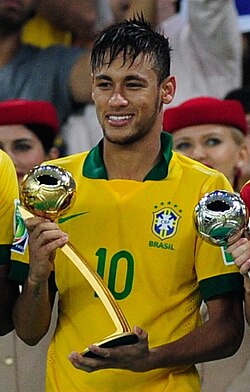
- Best Player: Neymar (Golden Ball winner).
- Total Attendance: 804,659 spectators.
- Innovation: First national team tournament to use goal-line technology.
Tournament Structure and Qualification
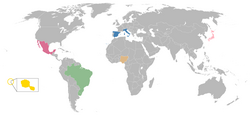
The competition featured eight teams. Brazil qualified automatically as the host, while Spain entered as the 2010 FIFA World Cup winners. The other six spots were filled by the winners of the most recent continental championships. Interestingly, Italy qualified as the UEFA Euro 2012 runners-up because the winners, Spain, had already secured a spot via the World Cup.
Qualified Teams and Methods
| Team | Confederation | Qualification Method |
|---|---|---|
| Brazil | CONMEBOL | Hosts |
| Spain | UEFA | 2010 FIFA World Cup winners |
| Japan | AFC | 2011 AFC Asian Cup winners |
| Mexico | CONCACAF | 2011 CONCACAF Gold Cup winners |
| Uruguay | CONMEBOL | 2011 Copa América winners |
| Tahiti | OFC | 2012 OFC Nations Cup winners |
| Italy | UEFA | UEFA Euro 2012 runners-up |
| Nigeria | CAF | 2013 Africa Cup of Nations winners |
Venues and Atmosphere
Matches were hosted across six cities in six different stadiums. The iconic Estádio do Maracanã in Rio de Janeiro served as a primary centerpiece for the event.
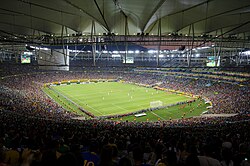
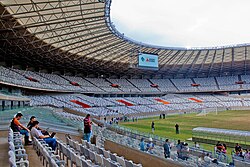
Other key venues included the Estádio Nacional in Brasília, the Estádio Mineirão in Belo Horizonte, the Estádio Castelão in Fortaleza, the Arena Pernambuco in Recife, and the Arena Fonte Nova in Salvador.
The Road to the Final
The tournament began with a group stage where Brazil dominated Group A, winning all three matches. In Group B, Spain showed overwhelming strength, including a historic 10–0 victory over Tahiti.
The knockout stage saw Brazil edge out Uruguay 2–1 in the semi-finals. Meanwhile, Spain and Italy played out a 0–0 draw through extra time, with Spain advancing after a dramatic 7–6 penalty shootout.
The Grand Finale
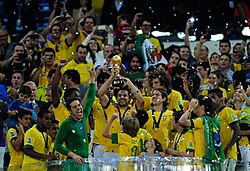
On June 30, 2013, Brazil faced Spain in the final. The host nation delivered a commanding performance, winning 3–0 with goals from Fred and Neymar. This victory secured Brazil's fourth Confederations Cup title and cemented their status as favorites heading into the next World Cup.
Technological and Social Context
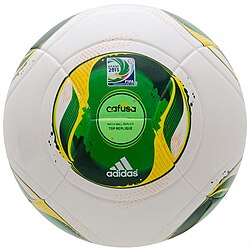
The 2013 tournament was a milestone for football technology, being the first international national team competition to implement goal-line technology. FIFA selected the German system GoalControl-4D, which utilized 14 high-speed cameras to determine if the ball had fully crossed the goal line. This system was notably used during the third-place play-off between Italy and Uruguay.
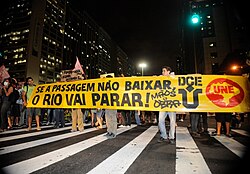
Despite the sporting success, the tournament took place against a backdrop of social unrest. Protests erupted in various cities, including Rio de Janeiro, with citizens demonstrating against bus fares and public spending. While FIFA General Secretary Jérôme Valcke acknowledged "crisis meetings" with the Brazilian government, he maintained that the protests would not lead to moving the 2014 World Cup.
Frequently Asked Questions
Who won the 2013 FIFA Confederations Cup?
Brazil won the tournament, defeating Spain 3–0 in the final to claim their fourth title.
Which player was named the best player of the tournament?
Neymar was awarded the Golden Ball as the best player of the competition.
What was the significance of the 2013 Confederations Cup regarding technology?
It was the first national team tournament to employ goal-line technology, specifically the GoalControl-4D system.
Who were the top scorers of the tournament?
Fred (Brazil) and Fernando Torres (Spain) shared the Golden Boot, each scoring 5 goals.
Why did Italy qualify for the tournament?
Italy qualified as the runners-up of UEFA Euro 2012 because the winners, Spain, had already qualified as the 2010 FIFA World Cup champions.