2012 United States Presidential Election: Results and Analysis
The 2012 United States Presidential Election took place on November 6, 2012, serving as a pivotal contest between the incumbent Democratic President Barack Obama and the Republican challenger Mitt Romney. The election determined who would lead the executive branch of the U.S. government for the subsequent four years, centering on a battle for the 538 members of the Electoral College—the body that formally elects the President and Vice President.
To secure a victory, a candidate required a minimum of 270 electoral votes. The campaign was characterized by intense debates over the federal budget deficit, health care, and foreign policy, reflecting the deep political divisions of the era.
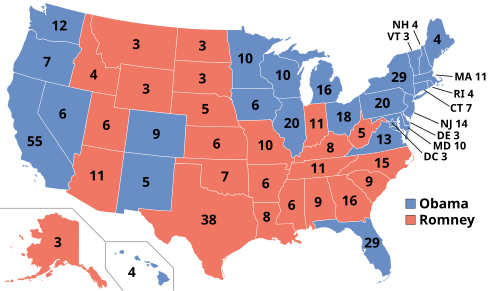
Key Facts
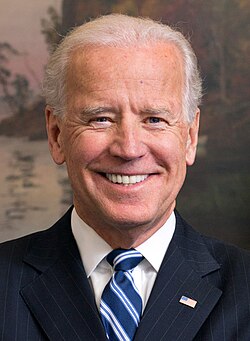
- Winner: Barack Obama (Democratic Party)
- Electoral Vote: Obama 332, Romney 206
- Popular Vote: Obama 51.1% (65,915,795 votes), Romney 47.2% (60,933,504 votes)
- Voter Turnout: 58.6%
- States Carried: Obama won 26 states plus the District of Columbia; Romney won 24 states.
- Running Mates: Joe Biden (Democratic) and Paul Ryan (Republican).
The Nominees and Their Tickets

The Democratic Ticket
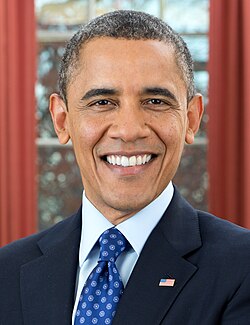
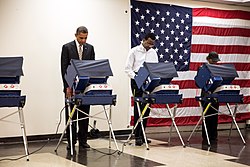
President Barack Obama, hailing from Illinois, sought a second term. He was joined by Vice President Joe Biden of Delaware. The Democratic campaign focused on maintaining the progress made during Obama's first term (2009–2013).
The Republican Ticket
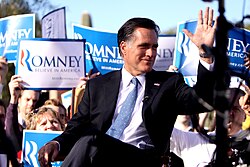
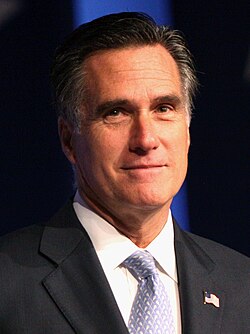
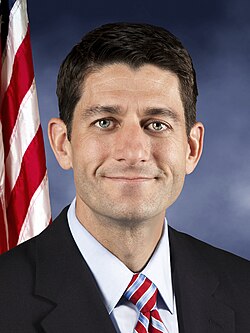
The Republican nomination was won by Mitt Romney, the former Governor of Massachusetts. He selected Paul Ryan, a U.S. Representative from Wisconsin, as his running mate. The Romney-Ryan ticket emphasized economic reform and fiscal discipline.
Other Candidates
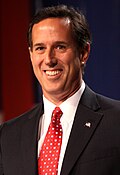
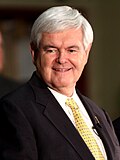
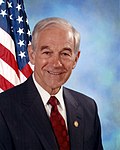
While the major parties dominated, several other candidates competed in the primaries or ran as third-party nominees. Notable Republican primary challengers included Rick Santorum, Newt Gingrich, and Ron Paul. In the general election, Gary Johnson of the Libertarian Party emerged as the most successful third-party candidate, securing approximately 1% of the popular vote.
Campaign and Debates
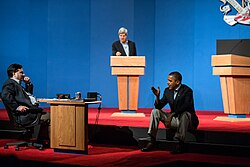
The road to the White House included a series of high-profile presidential and vice-presidential debates. These events were watched by millions of viewers and served as critical platforms for the candidates to contrast their visions for the country.
| Debate | Date | Location | Participants | Viewership (Millions) |
|---|---|---|---|---|
| Presidential 1 | Oct 3, 2012 | University of Denver, CO | Obama, Romney | 67.2 |
| Vice-Presidential | Oct 11, 2012 | Centre College, KY | Biden, Ryan | 51.4 |
| Presidential 2 | Oct 16, 2012 | Hofstra University, NY | Obama, Romney | 65.6 |
| Presidential 3 | Oct 22, 2012 | Lynn University, FL | Obama, Romney | 59.2 |
Election Results and Analysis
Electoral Outcome
Barack Obama won the election with 332 electoral votes compared to Mitt Romney's 206. Obama's victory was supported by a popular vote margin of nearly 5 million votes. He carried key states and the District of Columbia, while Romney won 24 states.
Swing States and Margins
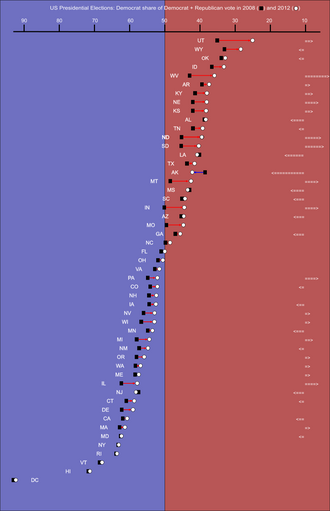
The election saw several "close states" where the margin of victory was slim. Florida was the tightest contest, decided by just 0.88% (74,309 votes). Other competitive states included North Carolina, Ohio, and Virginia. Interestingly, three areas flipped from Democratic to Republican: Indiana, North Carolina, and Nebraska's 2nd congressional district.
Demographic Trends
Voter demographics played a significant role in the outcome. Obama maintained strong support among Black voters (93%), Hispanic voters (71%), and voters aged 18–29. Romney performed strongly among White voters (59%), White evangelical Christians (78%), and married voters.

Frequently Asked Questions














Who won the 2012 US Presidential Election?
Barack Obama won the election, securing 332 electoral votes and 51.1% of the popular vote.
Who was the Republican nominee in 2012?
The Republican nominee was Mitt Romney, who ran with Paul Ryan as his vice-presidential candidate.
Which state was the closest in the 2012 election?
Florida was the closest state, with a margin of victory of only 0.88%.
How many electoral votes were needed to win?
A candidate needed 270 electoral votes out of the 538 available to win the presidency.
Which third-party candidate received the most votes?
Gary Johnson of the Libertarian Party received the most third-party votes, totaling 1,275,971 (approximately 0.99% of the popular vote).