2005 Kashmir Earthquake: The Devastating Impact of the 7.6 Magnitude Disaster
On the morning of 8 October 2005, a massive seismic event reshaped the landscape of northern Pakistan and surrounding regions. Registering a moment magnitude of 7.6, the earthquake struck with such intensity that it became one of the deadliest natural disasters of the decade, leaving a profound impact on the lives of millions.
The earthquake's epicenter was located approximately 19 km northeast of Muzaffarabad and 90 km north-northeast of Islamabad. The sudden release of energy caused a reverse slip—a type of fault movement where one block of the earth is pushed upward over another—at a depth of 15 km. This movement was so powerful that it reached a maximum Modified Mercalli Intensity (MMI) of XI, classified as "Extreme."
Key Facts
- Date: 8 October 2005
- Magnitude: 7.6 Mw
- Epicenter: Near Muzaffarabad, Pakistan
- Maximum Intensity: XI (Extreme)
- Estimated Fatalities: 74,640 to 88,714 (with some estimates exceeding 100,000)
- Displaced Persons: Approximately 2.8 to 3.5 million people
Geological Context and Aftershocks
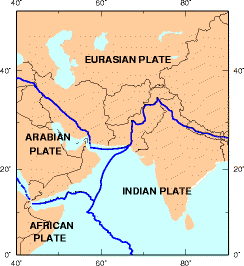
The earthquake was a direct consequence of the ongoing tectonic processes in the region. Satellite measurements following the event revealed that mountain parts directly above the epicenter rose by several meters, providing clear evidence that the Himalayas are still actively growing and being formed.
The initial shock was followed by a period of intense seismic instability. By the end of 2005, a total of 1,778 aftershocks had been recorded. Significant aftershocks included a 5.9 M w event at 08:57 PKT, a 5.8 M w event at 08:58 PKT, and a 6.4 M w event later that afternoon. These continuous tremors complicated rescue efforts and further destabilized already damaged structures.
Human and Infrastructure Toll
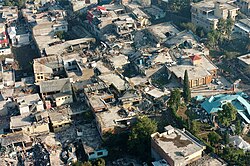
The destruction caused by the earthquake was catastrophic. Due to a combination of severe upthrust, local building practices, design flaws, and economic constraints, nearly 780,000 buildings were destroyed or damaged beyond repair. This collapse paralyzed essential services, including hospitals, schools, and emergency response units like the police and armed forces.
The human cost was staggering:
- Pakistan: Official death tolls ranged between 73,276 and 87,350, though some estimates suggest over 100,000 lives lost.
- India: 1,360 people were killed and 6,266 were injured in the Jammu and Kashmir region.
- Afghanistan: Four deaths were reported, including a fatality in Jalalabad.
- Displacement: Between 2.8 and 3.5 million people were left without shelter, facing harsh cold weather that increased the mortality rate among survivors.
| Category | Details |
|---|---|
| Magnitude | 7.6 Mw |
| Depth | 15 km (9.3 mi) |
| Primary Areas Affected | Pakistan, India, Afghanistan |
| Total Injuries | Approximately 138,000 |
| Buildings Damaged/Destroyed | ~780,000 |
Frequently Asked Questions
Where was the epicenter of the 2005 earthquake?
The epicenter was located 19 km northeast of Muzaffarabad, in the Azad Jammu and Kashmir region administered by Pakistan.
How many people were displaced by the disaster?
Estimates indicate that between 2.8 million and 3.5 million people were rendered homeless by the earthquake.
What caused the high number of building collapses?
The high level of destruction was attributed to the severe seismic upthrust, combined with local construction practices, design flaws, and economic constraints.
Did the earthquake affect countries other than Pakistan?
Yes, the earthquake was felt in India, Afghanistan, Tajikistan, and the Xinjiang region of China.
What scientific evidence did the quake provide about the Himalayas?
Satellite data showed that mountain sections above the epicenter rose by several meters, proving that the Himalayan mountain range is still actively growing.