2002 FIFA World Cup: A Historic Co-Hosted Tournament in South Korea and Japan
The 2002 FIFA World Cup stands as a landmark event in sporting history, marking the first time the prestigious tournament was co-hosted by two nations: South Korea and Japan. Held from 31 May to 30 June, the tournament brought together 32 teams from five different confederations to compete across 20 host cities. The atmosphere was electric, characterized by massive crowds and a global celebration of football.
From the opening whistle to the final match in Yokohama, the tournament showcased incredible talent and dramatic shifts in momentum. While the competition was fierce, it was Brazil that ultimately claimed their 5th title, defeating Germany in a decisive final. This era of football was defined by legendary performances, most notably by the Brazilian striker Ronaldo and the German goalkeeper Oliver Kahn.
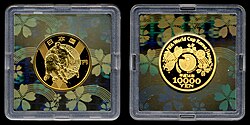
Key Facts
- Champions: Brazil (5th title)
- Runners-up: Germany
- Top Scorer: Ronaldo (8 goals)
- Best Player: Oliver Kahn
- Total Matches: 64
- Total Attendance: 2,705,197
- Host Countries: South Korea and Japan
Tournament Overview and Statistics
The 2002 tournament was a massive logistical undertaking, utilizing 20 different venues to accommodate the global influx of fans. The scale of the event was reflected in the attendance numbers, with an average of 42,269 spectators per match.
| Position | Team | Goals For | Goals Against | Goal Difference |
|---|---|---|---|---|
| 1st (Champions) | Brazil | 7 | 0 | +14 |
| 2nd (Runners-up) | Germany | 7 | 5 | +11 |
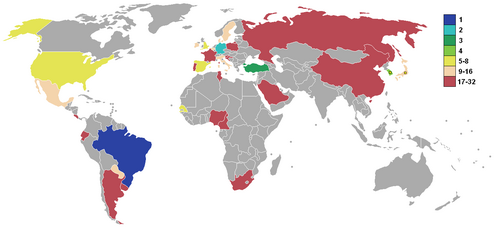
| 3rd Place | Turkey | 7 | 4 | +6 |
| 4th Place | South Korea | 7 | 3 | +2 |
Individual Excellence and Awards
While team success was the primary goal, several individuals rose above the rest to claim prestigious awards. Ronaldo secured the Golden Boot for his prolific scoring, while Oliver Kahn was honored with the Golden Ball as the tournament's best player. The tournament also recognized emerging talent, with Landon Donovan named the Best Young Player.
The Path to the Final
The tournament structure began with a group stage where 32 teams were divided into eight groups. The competition intensified during the knockout stage, which included the Round of 16, Quarter-finals, and Semi-finals. One of the most memorable aspects of the tournament was the home-field advantage experienced by the co-hosts.

South Korea's journey was particularly remarkable, as they progressed through the knockout rounds to reach the semi-finals, eventually finishing in 4th place. In Japan, the tournament saw high-intensity matches in cities like Yokohama, Saitama, and Osaka, contributing to the overall success of the event.

Tournament Logistics and Culture
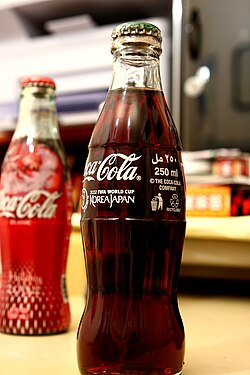
The 2002 World Cup was not just about football; it was a cultural phenomenon. The tournament featured official mascots Ato, Kaz, and Nik, and was supported by major global sponsors such as Coca-Cola and Adidas. The event also saw significant local involvement, with various regional sponsors across South Korea and Japan supporting the infrastructure and festivities.
Frequently Asked Questions
Who won the 2002 FIFA World Cup?
Brazil won the tournament, marking their 5th World Cup title after defeating Germany in the final.
Who was the top scorer of the tournament?
The Brazilian striker Ronaldo was the top scorer, netting a total of 8 goals.
Which teams hosted the 2002 World Cup?
The tournament was co-hosted by South Korea and Japan.
How many teams participated in the 2002 tournament?
A total of 32 teams from five different confederations participated in the event.
What was the total attendance for the tournament?
The total attendance across all 64 matches was 2,705,197 people.