1919: A Year of Global Transformation and Historical Milestones
The year 1919 stands as a pivotal junction in human history. Emerging from the shadow of the First World War, the world was a landscape of shifting borders, radical political movements, and profound social change. From the high-stakes negotiations of the Paris Peace Conference to the rise of new ideologies and the enduring legacies of cultural icons, 1919 was a year that shaped the modern era.
This period saw the redrawing of maps and the birth of new nations, alongside the tragic impact of the Spanish flu pandemic, which claimed the lives of numerous influential figures. It was a year defined by both the struggle for stability and the chaotic energy of revolution.
Key Facts
- Geopolitical Shifts: The year was marked by significant political transitions, including the presidency of Friedrich Ebert in Weimar Germany and the aftermath of the Paris Peace Conference.
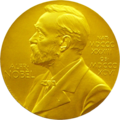
- Scientific and Cultural Impact: Many Nobel Prize-winning scientists and influential artists were born or passed away during this era.
- Global Health: The Spanish flu continued to impact global mortality rates, affecting leaders and citizens alike.
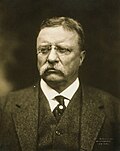
- Diverse Legacies: The year's timeline includes the births of icons like Theodore Roosevelt (noting his continued influence) and the passing of pioneers like Jackie Robinson's predecessors in social change.
Political Upheaval and Global Leadership
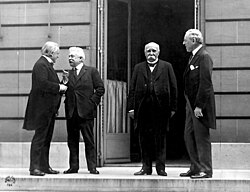
The political landscape of 1919 was characterized by intense activity. The Paris Peace Conference brought together the "Big Four"—David Lloyd George, Vittorio Orlando, Georges Clemenceau, and Woodrow Wilson—to decide the fate of nations following the Great War.
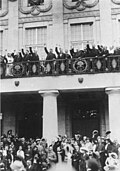
In Germany, the transition to the Weimar Republic was signaled by Friedrich Ebert becoming president, a move intended to stabilize a nation in turmoil.
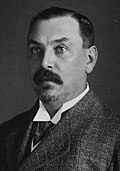
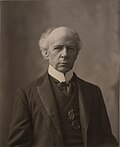
Across the globe, various leaders navigated complex domestic and international waters. In South Africa, Louis Botha served as the first Prime Minister, while in Canada, Sir Wilfrid Laurier's legacy continued to influence the nation's political fabric.
Revolution and Conflict
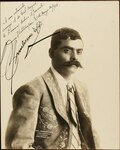
Revolutionary fervor was palpable in many regions. From the actions of Mexican revolutionary Emiliano Zapata to the political movements in Italy and Greece, the year was a crucible for new forms of governance and resistance.
Cultural and Scientific Legacies
Beyond the halls of power, 1919 was a year of immense cultural and scientific significance. The era produced and lost many individuals who would define the 20th century's intellectual and artistic output.
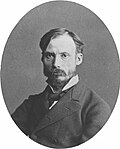
In the arts, the influence of painters like Pierre-Auguste Renoir remained profound, even as new movements began to take root. In science, the year saw the lives of many who would later contribute to our understanding of the physical world, including various Nobel Prize laureates in chemistry and physics.
Notable Births and Deaths
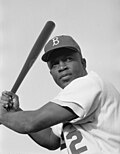
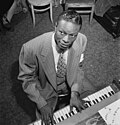
The year's timeline is a tapestry of human achievement and loss. We see the passing of figures like J.D. Salinger and the birth of influential thinkers and leaders. The diversity of these individuals—from athletes like Jackie Robinson to musicians like Nat King Cole—highlights the multifaceted nature of the era's impact.
Summary of Significant 1919 Events and Figures
| Category | Key Figures / Events | Significance |
|---|---|---|
| Politics | The Big Four | Paris Peace Conference negotiations |
| Politics | Friedrich Ebert | President of Weimar Germany |
| Revolution | Emiliano Zapata | Mexican revolutionary leader |
| Science | Nobel Laureates | Contributions to chemistry and medicine |
| Culture | Pierre-Auguste Renoir | Renowned French painter |
Frequently Asked Questions

What was the significance of the Paris Peace Conference in 1919?
The conference was a critical diplomatic event where the major Allied powers met to negotiate the peace terms following World War I, fundamentally reshaping the global political map.
How did the Spanish flu affect the year 1919?
The Spanish flu pandemic was a major global health crisis that continued to impact mortality rates, claiming the lives of various notable political and social figures during this period.
Who were the "Big Four"?
The "Big Four" refers to the primary leaders at the Paris Peace Conference: David Lloyd George (UK), Vittorio Orlando (Italy), Georges Clemenceau (France), and Woodrow Wilson (USA).
What major political shifts occurred in Germany in 1919?
Germany underwent a significant transition with the establishment of the Weimar Republic and the presidency of Friedrich Ebert, aiming to stabilize the country after the war.
Were there significant scientific contributions during this time?
Yes, the era was home to many individuals who would go on to win Nobel Prizes in fields such as chemistry, physics, and medicine, contributing to the rapid scientific advancement of the 20th century.