1816 Presidential Nominations: The Rise of James Monroe
The road to the 1816 United States presidential election was marked by internal party friction, the decline of a major political force, and a contentious nomination process. At the center of this political storm was James Monroe, a man whose path to the presidency was far from certain despite his high-ranking positions in the government.
Monroe had spent nearly three decades in a volatile relationship with James Madison, the incumbent president. The two had previously run against each other for a seat in the House of Representatives in 1789 and for the presidency in 1808. However, the War of 1812 served as a turning point, mending their relationship as Monroe served as both Secretary of State and Secretary of War. By 1816, Monroe was positioning himself as Madison's natural successor, though he faced significant headwinds from northern politicians who feared the continued dominance of the Virginia dynasty—the trend of presidents hailing from Virginia.
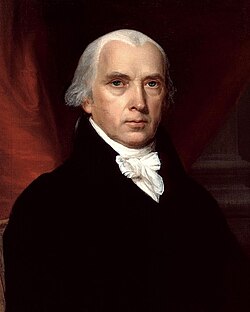
The Democratic-Republican Struggle
The Democratic-Republican Party utilized a congressional nominating caucus—a meeting of party members in Congress to select the nominee—to decide their candidate. This system was increasingly viewed by the public as corrupt and undemocratic.
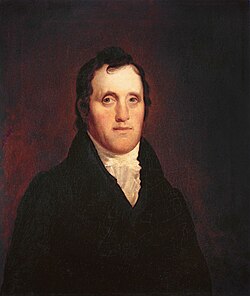
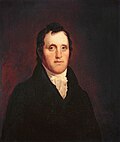
Monroe faced two primary rivals within his own party: Daniel D. Tompkins, the Governor of New York, and William H. Crawford, the Secretary of War. Tompkins enjoyed strong support in New York but lacked national name recognition and was viewed as too volatile for the presidency. By March 1816, Tompkins shifted his focus toward the vice presidency.

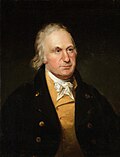
William H. Crawford presented a more formidable challenge. Despite publicly denying interest in the office, Crawford gained significant momentum among politicians and editors. However, Crawford was hesitant to openly campaign, having previously assured Monroe he would not run. This hesitation created a vacuum of leadership that complicated the nomination process.
The Caucus Conflict
The nomination process was fraught with tension. An initial caucus held on March 12 was attended by only 58 members, mostly Crawford supporters. Because the turnout was too low to be seen as legitimate, the meeting was adjourned until March 16.
During this recess, Crawford decided to postpone his ambitions until 1824 and instructed his allies to withdraw his candidacy. When the caucus reconvened on March 16, the results were narrow. Monroe was nominated with 65 votes to Crawford's 54. Monroe's victory was secured by 11 Virginians; without them, the outcome would have been different. Notably, 22 Democratic-Republicans abstained from voting at Crawford's request to facilitate Monroe's nomination.
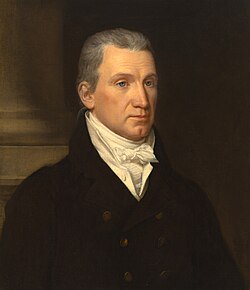
The Vice Presidential Race
While the presidential race was a tight contest, the vice presidential nomination was more decisive. Daniel D. Tompkins, recognizing his presidential hopes were fading, advertised his willingness to serve as vice president. Other potential candidates, such as Pennsylvania Governor Simon Snyder and Speaker of the House Henry Clay, failed to gain the necessary traction.
Tompkins became the overwhelming favorite, winning the caucus vote by a large margin (85 to 30 over Simon Snyder). His victory was far more commanding than Monroe's, reflecting his strong appeal among the party members present.
The Collapse of the Federalist Party
While the Democratic-Republicans were managing internal rivalries, the Federalist Party was in a state of total disarray. Following the peace with Britain in 1815, the party lost its cohesion. Accusations of disloyalty following the Hartford Convention further crippled their public image.
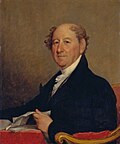
The Federalists failed to nominate a formal ticket for the 1816 election. Rufus King, a respected senator, was the most likely candidate and was even nominated for governor of New York in April 1816. However, King lost that election to Daniel D. Tompkins, effectively ending his presidential prospects. Other names like John Eager Howard and William H. Crawford were mentioned, but no serious movement materialized. The Federalists entered the campaign without a candidate, resigned to a Democratic-Republican victory.
Key Facts
- James Monroe won the Democratic-Republican nomination with 65 votes, defeating William H. Crawford (54 votes).
- The Virginia dynasty refers to the sequence of presidents from Virginia, which caused resistance among northern politicians.
- Daniel D. Tompkins was nominated as the vice presidential candidate with 85 votes.
- The Federalist Party failed to nominate any candidate for president in 1816 due to internal disarray and charges of disloyalty.
- The Congressional Caucus system was the method used for nomination, though it was widely criticized as undemocratic.
| Position | Candidate | Votes | Outcome |
|---|---|---|---|
| President | James Monroe | 65 | Nominated |
| President | William H. Crawford | 54 | Defeated |
| Vice President | Daniel D. Tompkins | 85 | Nominated |
| Vice President | Simon Snyder | 30 | Defeated |
Frequently Asked Questions
Why was James Monroe's nomination controversial?
Monroe's candidacy faced resistance from northern Democratic-Republicans who opposed the extension of the Virginia dynasty and some who remembered his previous political feuds with James Madison.
What was the role of the congressional caucus in 1816?
The congressional caucus was the mechanism used by the Democratic-Republican Party to select its nominees. It involved a vote among party members in Congress, though it was criticized by the public as being corrupt and unconstitutional.
Why did the Federalist Party fail to run a candidate?
The party was fragmented and lacked a national organization. Following the Hartford Convention, they were plagued by charges of disloyalty, and their most viable candidate, Rufus King, lost a gubernatorial race in New York.
How did William H. Crawford influence the outcome?
Crawford was a strong rival who could have potentially won the nomination. However, he withdrew his candidacy during a recess in the caucus and requested that some supporters abstain from voting to allow Monroe to win.
Who was Daniel D. Tompkins?
Tompkins was the Governor of New York who initially sought the presidency but eventually became the Democratic-Republican nominee for vice president, winning a decisive victory in the caucus.